
Laura Hayes · on 18 July 2026 · 10 min read · Last reviewed 18 July 2026
Allulose is a rare sugar with about 70% of the sweetness of sugar but almost no calories, and is considered low FODMAP due to its allulose fodmap properties, making it suitable for people managing acid reflux through a low-FODMAP diet.
In plain terms: Think of allulose as the understudy to sugar, it steps in and plays the role nearly as well, but with far less impact on your digestive system, much like a stunt double taking the fall instead of the star.
Key facts
- Allulose is naturally found in small amounts in figs, raisins, and maple syrup.
- It is approximately 0.2 calories per gram, compared to 4 calories per gram in sugar.
- Allulose does not spike blood sugar levels, making it a suitable sweetener for diabetics.
- According to the Monash University Low FODMAP Diet, allulose is low FODMAP in servings up to 50 grams.
Is allulose safe for people with acid reflux?
Yes, allulose is safe for people with acid reflux because it is low FODMAP and does not trigger the digestive discomfort associated with high-FODMAP foods. FODMAPs (Fermentable Oligosaccharides, Disaccharides, Monosaccharides, and Polyols) are short-chain carbohydrates that can exacerbate symptoms of acid reflux and irritable bowel syndrome (IBS). Allulose’s low FODMAP status makes it a suitable sweetener for those following a low-FODMAP diet to manage acid reflux symptoms.
What is the best meal for acid reflux?
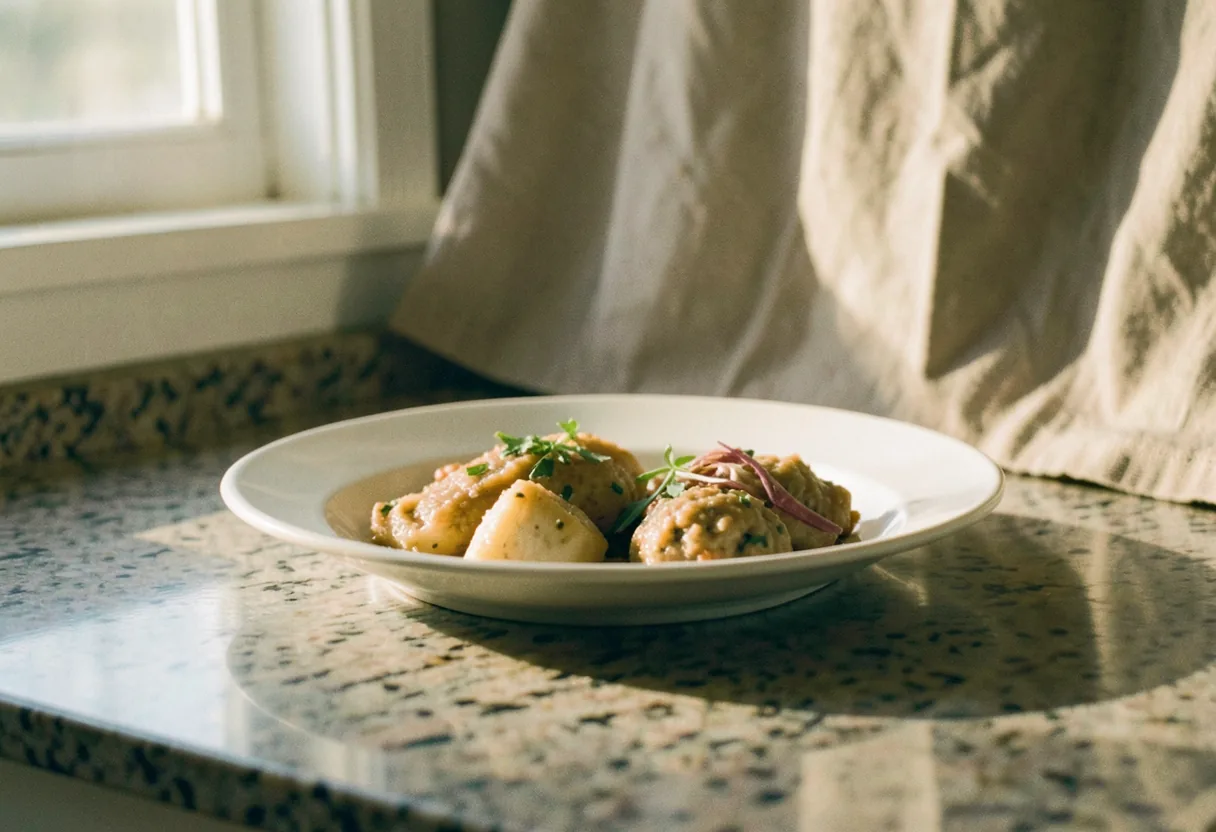
The best meal for acid reflux typically includes lean proteins, non-citrus fruits, and vegetables that are low in acid, such as zucchini, spinach, and cucumbers. These foods are less likely to trigger heartburn or other reflux symptoms. For example, a meal of grilled chicken with steamed zucchini and a side of quinoa is often well-tolerated by people with acid reflux.
To create a balanced acid reflux-friendly meal, focus on incorporating a variety of low-acid foods. Lean proteins like chicken, turkey, and fish are excellent choices. Non-citrus fruits such as bananas, melons, and pears can provide sweetness without triggering reflux. Vegetables like carrots, potatoes, and green beans are also good options. Pair these with whole grains like brown rice or quinoa for a well-rounded meal.
For a concrete example, consider a meal plan that includes a breakfast of oatmeal with sliced bananas, a lunch of grilled chicken salad with mixed greens and cucumbers, and a dinner of baked fish with steamed zucchini and quinoa. This meal plan ensures a variety of nutrients while minimizing the risk of acid reflux symptoms. According to the International Foundation for Gastrointestinal Disorders, maintaining a diet rich in these low-acid foods can significantly reduce the frequency and severity of acid reflux episodes.
What are the 10 worst foods for acid reflux?
The ten worst foods for acid reflux include high-fat foods, citrus fruits, tomatoes, garlic, onions, chocolate, mint, spicy foods, carbonated beverages, and alcoholic drinks. These foods can relax the lower esophageal sphincter, increasing the likelihood of acid reflux.
High-fat foods, such as fried chicken and fatty cuts of meat, can delay stomach emptying and increase the pressure on the lower esophageal sphincter. Citrus fruits like oranges and lemons, as well as tomatoes, are highly acidic and can trigger heartburn. Garlic and onions are common triggers for many people with acid reflux, as they can irritate the digestive tract. Chocolate contains methylxanthine, a compound that can relax the lower esophageal sphincter, while mint can have a similar effect. Spicy foods, carbonated beverages, and alcoholic drinks are also known to exacerbate acid reflux symptoms.
For instance, a study published in the Journal of Gastroenterology found that consuming spicy foods can increase the likelihood of acid reflux episodes by up to 50%. Similarly, carbonated beverages can cause gas and bloating, which can put pressure on the stomach and push acid back into the esophagus. To manage acid reflux, it is advisable to avoid these triggers and opt for low-acid, low-fat alternatives.
What drink will calm acid reflux?
Drinks that can calm acid reflux include ginger tea, chamomile tea, aloe vera juice, and non-citrus herbal teas. These beverages have anti-inflammatory properties and can help soothe the digestive tract.
Ginger tea, for example, has been used for centuries to treat digestive issues. It contains gingerol, a compound that can reduce inflammation and alleviate nausea. Chamomile tea is another excellent option, known for its calming effects on the digestive system. Aloe vera juice can also help soothe the esophagus and reduce inflammation, making it a popular choice for people with acid reflux.
Sipping on a warm cup of ginger tea after a meal provides a practical example. The warmth can help relax the muscles of the digestive tract, while the gingerol can reduce inflammation and prevent acid reflux. Chamomile tea, on the other hand, can be enjoyed before bedtime to promote relaxation and reduce the likelihood of nighttime acid reflux. According to the National Institute of Diabetes and Digestive and Kidney Diseases, incorporating these beverages into your daily routine can help manage acid reflux symptoms effectively.
What time should you eat dinner if you have acid reflux?
Eating dinner at least 2-3 hours before lying down to sleep helps if you have acid reflux. This allows enough time for the stomach to empty and reduces the risk of acid reflux during the night.
Eating dinner too close to bedtime can increase the likelihood of acid reflux episodes. When you lie down, gravity no longer helps keep stomach acid in place, making it easier for acid to flow back into the esophagus. By finishing your dinner at least 2-3 hours before bedtime, you give your stomach enough time to digest the food and reduce the pressure on the lower esophageal sphincter.
Starting dinner at 7 PM allows you to finish by 10 PM if you plan to go to bed then. This timeframe allows for adequate digestion and minimizes the risk of nighttime acid reflux. Additionally, avoiding late-night snacks and eating smaller, more frequent meals throughout the day can also help manage acid reflux symptoms. According to the American College of Gastroenterology, maintaining a consistent eating schedule and avoiding late-night eating can significantly reduce the frequency and severity of acid reflux episodes.
7-day meal plan for acid reflux
A 7-day meal plan for acid reflux focuses on low-acid, non-triggering foods that are gentle on the digestive system. This plan includes a variety of lean proteins, non-citrus fruits, and vegetables that are low in acid.
A 7-day meal plan for acid reflux might look like this.
| Day | Breakfast | Lunch | Dinner |
|---|---|---|---|
| Day 1 | Oatmeal with sliced bananas | Grilled chicken salad with mixed greens and cucumbers | Baked fish with steamed zucchini and quinoa |
| Day 2 | Scrambled eggs with whole-grain toast | Turkey wrap with spinach and avocado | Grilled chicken with mashed sweet potatoes |
| Day 3 | Greek yogurt with sliced pears | Quinoa salad with grilled vegetables | Baked salmon with roasted carrots |
| Day 4 | Smoothie with almond milk, bananas, and spinach | Grilled chicken with steamed green beans | Turkey meatballs with whole-grain pasta |
| Day 5 | Whole-grain toast with almond butter | Salmon salad with mixed greens and cucumbers | Grilled chicken with steamed broccoli |
| Day 6 | Scrambled tofu with whole-grain toast | Quinoa salad with grilled vegetables and chicken | Baked fish with roasted zucchini |
| Day 7 | Greek yogurt with sliced apples | Grilled chicken with steamed spinach | Turkey meatloaf with mashed sweet potatoes |
What foods neutralize stomach acid immediately?
Foods that can neutralize stomach acid immediately include non-citrus fruits like bananas and melons, as well as vegetables like spinach and cucumbers. These foods have alkaline properties that can help balance stomach acid and reduce reflux symptoms.
Bananas, for example, are known for their ability to coat the lining of the stomach and protect it from acid. Melons, such as watermelon and cantaloupe, are also effective in neutralizing stomach acid due to their high water content and alkaline nature. Spinach and cucumbers are low-acid vegetables that can help soothe the digestive tract and reduce inflammation.
Heartburn after meals can be soothed by eating a banana or a slice of watermelon. These foods can provide immediate relief by neutralizing stomach acid and reducing the pressure on the lower esophageal sphincter. According to the Mayo Clinic, incorporating these alkaline foods into your diet can help manage acid reflux symptoms effectively.
Acid reflux dinner recipes
Acid reflux dinner recipes focus on using low-acid ingredients and gentle cooking methods to minimize the risk of triggering reflux symptoms. These recipes often include lean proteins, non-citrus vegetables, and whole grains.
Baked chicken breast with steamed zucchini and quinoa serves as a simple acid reflux-friendly dinner recipe. To prepare this meal, season the chicken breast with herbs like thyme and rosemary, then bake it in the oven at 375°F (190°C) for about 25-30 minutes. Steam the zucchini until tender and serve it with a side of quinoa cooked according to package instructions.
Another example is a grilled salmon salad with mixed greens and cucumbers. Season the salmon with lemon-free herbs and grill it until cooked through. Serve the salmon over a bed of mixed greens, cucumbers, and a light vinaigrette dressing made with olive oil and a touch of honey. This meal is not only delicious but also gentle on the digestive system, making it an excellent choice for people with acid reflux.
Check out acid reflux-friendly recipes from the meal with zucchini or the 10 foods rich in protein for more inspiration.
List of foods to eat with acid reflux
A list of foods to eat with acid reflux includes lean proteins like chicken, turkey, and fish, non-citrus fruits such as bananas, melons, and pears, and low-acid vegetables like zucchini, spinach, and cucumbers. These foods are less likely to trigger heartburn or other reflux symptoms.
Lean proteins are an essential part of an acid reflux-friendly diet. Chicken, turkey, and fish are excellent sources of protein that are low in fat and easy to digest. Non-citrus fruits like bananas, melons, and pears provide natural sweetness without the acidity of citrus fruits. Low-acid vegetables such as zucchini, spinach, and cucumbers are gentle on the digestive system and can help soothe the esophagus.
Consider incorporating these foods into your daily meals for a practical example. Start your day with a breakfast of oatmeal topped with sliced bananas. For lunch, enjoy a grilled chicken salad with mixed greens and cucumbers. For dinner, try baked fish with steamed zucchini and quinoa. According to the 10 Foods Highest in Protein, maintaining a diet rich in these low-acid foods can significantly reduce the frequency and severity of acid reflux episodes.
GERD meal plan PDF
A GERD meal plan PDF is a downloadable guide that provides a structured eating plan designed to manage acid reflux symptoms. These meal plans typically include a variety of low-acid, non-triggering foods and recipes tailored to individuals with GERD (gastroesophageal reflux disease).
A GERD meal plan PDF might include a 7-day eating plan with specific recipes and meal ideas for breakfast, lunch, and dinner. It may also provide tips on meal prepping, portion control, and avoiding common triggers. These meal plans are often created by nutritionists or healthcare professionals and can be a valuable resource for people managing GERD.
To find a GERD meal plan PDF, consider searching online for reputable sources or consulting with a healthcare professional. The 1 Vegetable often provides valuable resources and meal plans for managing acid reflux and GERD.
Stay consistent with your meal plan and make adjustments as needed based on your individual tolerance and symptoms. According to the American Gastroenterological Association, maintaining a structured eating plan can help manage GERD symptoms effectively and improve overall digestive health.
Frequently asked questions
Is allulose considered a FODMAP?
No, allulose is not classified as a FODMAP. Unlike other sugars, it does not contain fructose in a form that causes digestive issues for those with fructose malabsorption. Allulose is absorbed directly into the bloodstream, bypassing the digestive tract, making it a suitable sweetener for people following a low-FODMAP diet.
How does allulose compare to other low-FODMAP sweeteners?
Allulose leads because it provides nearly the same sweetness as sugar but with fewer calories. It doesn't raise blood sugar levels significantly, making it a good option for diabetics. Unlike erythritol or xylitol, allulose doesn't cause digestive discomfort, even in larger amounts.
Can allulose be used in baking?
Yes, allulose works well in baking. It caramelizes and browns like sugar, adding a similar texture to baked goods. However, it can recrystallize at room temperature, so recipes might need adjustments. Always check specific recipes for the best results.
Are there any side effects of consuming allulose?
Allulose is generally well-tolerated. Some people may experience mild digestive issues if they consume very large amounts, but this is rare. Unlike many sugar alcohols, allulose doesn't cause bloating, gas, or diarrhea, even in moderate to high doses.