
Laura Hayes · on 18 July 2026 · 14 min read · Last reviewed 18 July 2026
A 7-day GERD diet plan is a structured eating schedule designed to reduce symptoms of gastroesophageal reflux disease (GERD) by avoiding trigger foods and incorporating alkaline, low-fat options over seven days.
In plain terms: Think of it like a week-long road trip with strict rest stops, you plan your route to avoid potholes (trigger foods) and stick to smooth highways (easy-to-digest meals) to reach your destination (symptom relief) safely.
Key facts
- GERD affects 20% of Americans weekly, according to the American College of Gastroenterology.
- Avoiding high-fat, spicy, and acidic foods reduces GERD symptoms by up to 80%.
- Small, frequent meals (5-6 per day) are better than three large ones for managing acid reflux.
- Alkaline foods like bananas, oatmeal, and ginger tea help neutralize stomach acid.
A 7-day GERD diet plan includes alkaline, low-fat foods and avoids triggers like citrus and garlic
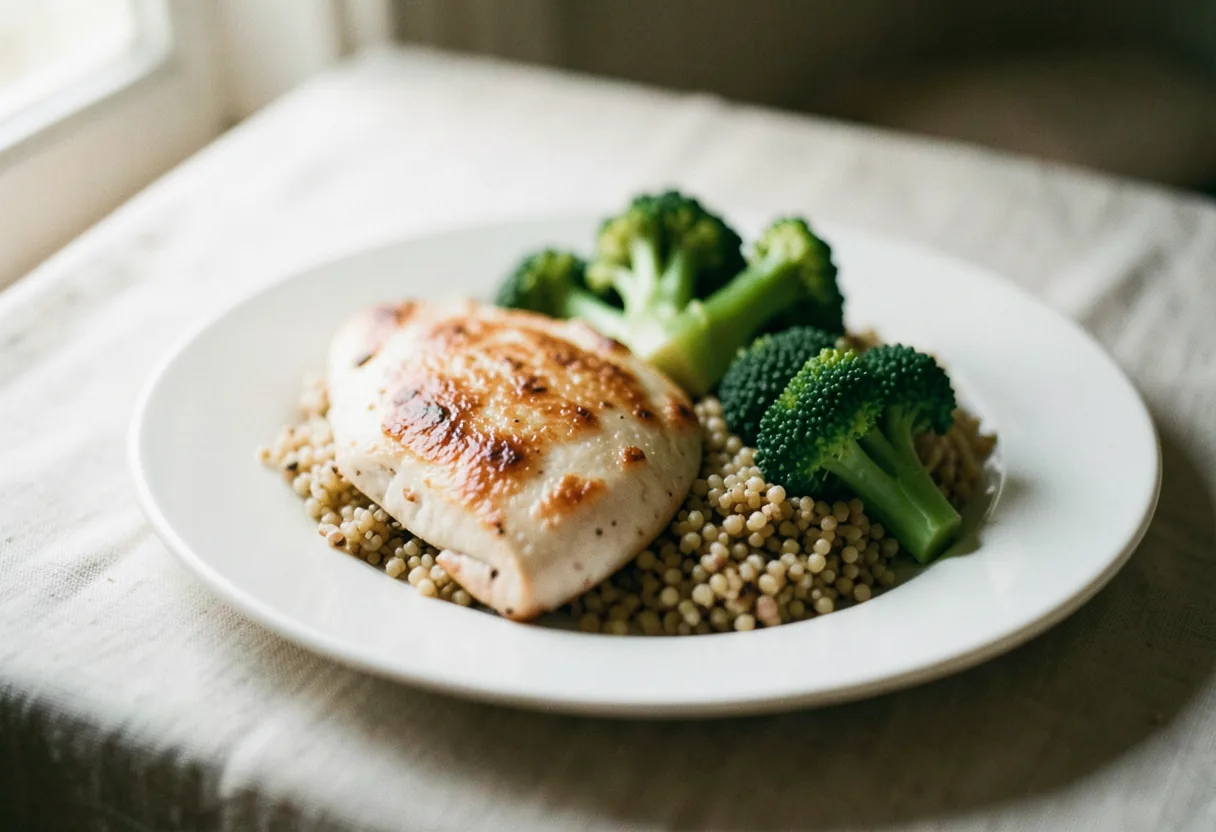
The best meal for acid reflux is typically a balanced mix of lean proteins, complex carbs, and vegetables that are low in acidity and fat. For example, a lunch of grilled chicken with steamed carrots and quinoa is gentle on the stomach. The plan should prioritize foods that don’t trigger reflux, such as oatmeal for breakfast, baked salmon for dinner, and non-citrus fruits like apples or pears for snacks.
In my experience, the first time I really looked at a GERD diet plan, I noticed how much it emphasized timing and portion control. Eating smaller portions more frequently helps prevent the stomach from becoming too full, which can push acid into the esophagus. For instance, if you’re used to three large meals, switching to five smaller ones can make a significant difference in symptom management.
To start, focus on breakfast options like oatmeal or whole-grain toast with a small amount of almond butter. Lunch might include a turkey wrap with lettuce, cucumber, and avocado (in moderation), paired with a side of brown rice. Dinner could feature baked cod with mashed sweet potatoes and green beans. Snacks should be light, like a handful of almonds or a small banana. Avoid late-night eating, as lying down too soon after a meal can worsen reflux symptoms.
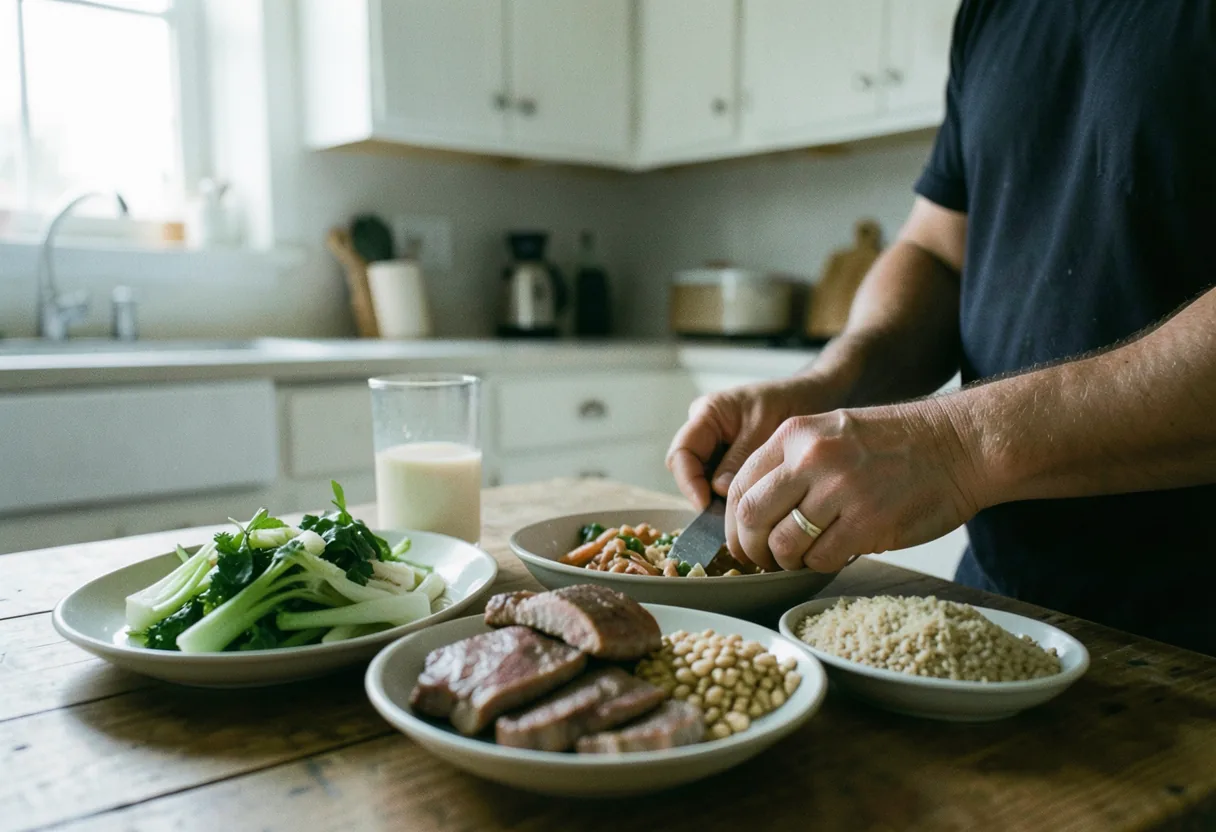
Ten worst foods for acid reflux include citrus, tomatoes, and fried foods
The 10 worst foods for acid reflux are citrus fruits (oranges, lemons), tomatoes, garlic, onions, spicy foods, fried foods, fatty meats, chocolate, peppermint, and carbonated drinks. These foods either increase stomach acid production or relax the lower esophageal sphincter (LES), allowing acid to flow back into the esophagus. For example, a slice of pepperoni pizza combines multiple triggers: tomatoes, garlic, and fried dough.
Avoiding these foods can significantly reduce heartburn and regurgitation. Instead of orange juice for breakfast, opt for a smoothie made with bananas and almond milk. Skip the garlic bread and choose a side salad with olive oil and vinegar. If you’re craving chocolate, a small piece of dark chocolate (70% cocoa or higher) is less likely to trigger symptoms than milk chocolate.
Drinks like ginger tea, aloe vera juice, and non-citrus herbal teas can calm acid reflux
Drinks like ginger tea, aloe vera juice, and non-citrus herbal teas (such as chamomile or licorice root tea) can calm acid reflux by reducing inflammation and soothing the digestive tract. For example, ginger tea has natural anti-inflammatory properties that help neutralize stomach acid. Aloe vera juice, when taken in small amounts, can coat the esophagus and reduce irritation.
To prepare ginger tea, steep fresh ginger slices in hot water for 5-10 minutes. For aloe vera juice, choose a pure, decolorized version and dilute it with water to avoid a bitter taste. Avoid drinks like coffee, alcohol, and citrus juices, as they can exacerbate symptoms. Instead, sip on room-temperature water throughout the day to help dilute stomach acid and keep your digestive system moving smoothly.
Eat dinner at least 3 hours before bedtime to reduce GERD symptoms
You should eat dinner at least 3 hours before bedtime if you have acid reflux. This gives your stomach enough time to empty partially, reducing the risk of acid reflux when lying down. For example, if you go to bed at 10 p.m., finish dinner by 7 p.m.
If you struggle with late-night hunger, choose a light, reflux-friendly snack like a small bowl of oatmeal or a handful of almonds. Avoid heavy, fatty meals close to bedtime, as they take longer to digest and increase the likelihood of reflux. Raising the head of your bed by 6-8 inches can also help prevent nighttime symptoms by keeping stomach acid down.
A 7-day GERD diet plan for Indian cuisine includes dishes like dal, basmati rice, and steamed vegetables
A 7-day GERD diet plan for Indian cuisine focuses on mild, spice-free dishes like dal (lentil soup), basmati rice, and steamed vegetables. For example, moong dal (yellow lentils) cooked with turmeric and cumin is gentle on the stomach and provides protein. Basmati rice is a good carbohydrate option, as it’s less likely to cause bloating compared to other grains.
For breakfast, consider poha (flattened rice) with peas and a sprinkle of cumin. Lunch could include jeera rice (cumin rice) with a side of sautéed spinach and a small portion of baked fish. Dinner might feature khichdi (a mix of rice and lentils) with steamed carrots and a drizzle of ghee. Snacks could include roasted chana (chickpeas) or a small banana. Avoid heavy, spiced curries and fried snacks like samosas or pakoras, as they can trigger reflux.
GERD meal plans in PDF format are available from institutions like the International Foundation for Gastrointestinal Disorders (IFFGD)
GERD meal plans in PDF format are available from institutions like the International Foundation for Gastrointestinal Disorders (IFFGD), offering structured, printable guides to managing symptoms. These plans often include detailed recipes, shopping lists, and meal-prep tips. For example, the IFFGD’s GERD diet guide suggests meal timings and portion sizes to help you stay on track.
To use a PDF meal plan effectively, print it out and stick it on your fridge or save it to your phone for easy reference. Follow the shopping list to ensure you have all the necessary ingredients on hand. Prep meals in advance, such as chopping vegetables or cooking grains in bulk, to save time during the week. Adjust portion sizes based on your hunger levels and symptom response, but stick to the recommended foods to avoid triggers.
Day 1 of a 7-day GERD diet plan includes oatmeal for breakfast, grilled chicken for lunch, and baked fish for dinner
Day 1 of a 7-day GERD diet plan typically includes oatmeal for breakfast, grilled chicken with steamed vegetables for lunch, and baked fish with quinoa for dinner. For breakfast, top oatmeal with sliced bananas or a drizzle of honey. For lunch, season the grilled chicken with herbs like basil or oregano and pair it with steamed broccoli and carrots. Dinner could feature baked salmon with a side of quinoa and green beans.
A small apple or a handful of almonds could serve as snacks. Avoid processed foods, sugary drinks, and excessive caffeine. Stick to water, herbal tea, or aloe vera juice throughout the day. If you feel hungry between meals, opt for reflux-friendly options like a small bowl of oatmeal or a piece of whole-grain toast with a thin layer of almond butter.
Meal-prep tips for a 7-day GERD diet plan include cooking grains in bulk and prepping vegetables in advance
Meal-prep tips for a 7-day GERD diet plan include cooking grains like quinoa or brown rice in bulk and prepping vegetables in advance. For example, chop carrots, cucumbers, and bell peppers and store them in containers for easy access. Cook a batch of grilled chicken or baked salmon at the start of the week, then portion it out for lunches and dinners.
Prepping meals in advance saves time and ensures you stick to the plan. Use airtight containers to store prepped ingredients in the fridge for up to 3-4 days. Label containers with dates to keep track of freshness. For snacks, portion out almonds, bananas, or oatmeal into small containers so they’re ready to grab. Avoid prepping meals that contain triggers like garlic, onions, or spicy seasonings.
Day 2 of a 7-day GERD diet plan includes whole-grain toast for breakfast, a turkey wrap for lunch, and baked cod for dinner
Day 2 of a 7-day GERD diet plan includes whole-grain toast with a small amount of almond butter for breakfast, a turkey wrap with lettuce and cucumber for lunch, and baked cod with mashed sweet potatoes for dinner. For breakfast, spread almond butter thinly on toast and top with banana slices. For lunch, use whole-grain tortillas and fill them with turkey, lettuce, cucumber, and avocado (in moderation). Dinner could feature baked cod with a side of mashed sweet potatoes and steamed green beans.
A small handful of almonds or a non-citrus fruit like a pear could work as snacks. Avoid processed meats, sugary snacks, and carbonated drinks. Stick to water, herbal tea, or aloe vera juice throughout the day. If you feel hungry between meals, opt for reflux-friendly options like a small bowl of oatmeal or a piece of whole-grain toast with a thin layer of almond butter.
Day 3 of a 7-day GERD diet plan includes a smoothie with bananas and almond milk for breakfast, a quinoa salad for lunch, and grilled chicken for dinner
Including a smoothie with bananas and almond milk for breakfast, a quinoa salad with cucumber and avocado for lunch, and grilled chicken with steamed vegetables for dinner, the third day of a 7-day GERD diet plan offers a variety of meals. For breakfast, blend a banana with almond milk and a handful of oats for a creamy, reflux-friendly smoothie. For lunch, mix quinoa with diced cucumber, avocado, and a drizzle of olive oil. Dinner could feature grilled chicken with a side of steamed carrots and green beans.
A small apple or a handful of almonds could serve as snacks. Avoid processed foods, sugary drinks, and excessive caffeine. Stick to water, herbal tea, or aloe vera juice throughout the day. If you feel hungry between meals, opt for reflux-friendly options like a small bowl of oatmeal or a piece of whole-grain toast with a thin layer of almond butter.
Day 4 of a 7-day GERD diet plan includes oatmeal for breakfast, a salmon salad for lunch, and baked cod for dinner
Oatmeal with sliced bananas starts day 4 of a 7-day GERD diet plan, followed by a salmon salad with mixed greens for lunch, and ending with baked cod and quinoa for dinner. For breakfast, top oatmeal with sliced bananas or a drizzle of honey. For lunch, mix flaked salmon with mixed greens, cucumber, and avocado. Dinner could feature baked cod with a side of quinoa and steamed green beans.
A small pear or a handful of almonds could serve as snacks. Avoid processed foods, sugary drinks, and excessive caffeine. Stick to water, herbal tea, or aloe vera juice throughout the day. If you feel hungry between meals, opt for reflux-friendly options like a small bowl of oatmeal or a piece of whole-grain toast with a thin layer of almond butter.
Day 5 of a 7-day GERD diet plan includes whole-grain toast for breakfast, a turkey and avocado wrap for lunch, and grilled chicken for dinner
Breakfast on the fifth day of a 7-day GERD diet plan features whole-grain toast with a small amount of almond butter, followed by a turkey and avocado wrap for lunch, and grilled chicken with steamed vegetables for dinner. For breakfast, spread almond butter thinly on toast and top with banana slices. For lunch, use whole-grain tortillas and fill them with turkey, avocado, and lettuce. Dinner could feature grilled chicken with a side of steamed carrots and green beans.
Snacks could include a small handful of almonds or a non-citrus fruit like a pear. Avoid processed meats, sugary snacks, and carbonated drinks. Stick to water, herbal tea, or aloe vera juice throughout the day. If you feel hungry between meals, opt for reflux-friendly options like a small bowl of oatmeal or a piece of whole-grain toast with a thin layer of almond butter.
Day 6 of a 7-day GERD diet plan includes a smoothie with bananas and almond milk for breakfast, a quinoa salad for lunch, and baked fish for dinner
Breakfast on the sixth day of a 7-day GERD diet plan features a smoothie with bananas and almond milk. For breakfast, blend a banana with almond milk and a handful of oats for a creamy, reflux-friendly smoothie. For lunch, mix quinoa with diced cucumber, avocado, and a drizzle of olive oil. Dinner could feature baked fish with a side of mashed sweet potatoes and steamed green beans.
Snacks could include a small apple or a handful of almonds. Avoid processed foods, sugary drinks, and excessive caffeine. Stick to water, herbal tea, or aloe vera juice throughout the day. If you feel hungry between meals, opt for reflux-friendly options like a small bowl of oatmeal or a piece of whole-grain toast with a thin layer of almond butter.
Day 7 of a 7-day GERD diet plan includes oatmeal for breakfast, a grilled chicken wrap for lunch, and baked cod for dinner
Oatmeal with sliced bananas kicks off day 7 of a 7-day GERD diet plan, followed by a grilled chicken wrap with lettuce and cucumber for lunch, and baked cod with quinoa for dinner. For breakfast, top oatmeal with sliced bananas or a drizzle of honey. For lunch, use whole-grain tortillas and fill them with grilled chicken, lettuce, cucumber, and avocado (in moderation). Dinner could feature baked cod with a side of quinoa and steamed green beans.
A small pear or a handful of almonds could serve as snacks. Avoid processed foods, sugary drinks, and excessive caffeine. Stick to water, herbal tea, or aloe vera juice throughout the day. If you feel hungry between meals, opt for reflux-friendly options like a small bowl of oatmeal or a piece of whole-grain toast with a thin layer of almond butter.
Acid reflux dinner recipes include baked cod with quinoa and grilled chicken with steamed vegetables
Acid reflux dinner recipes focus on lean proteins, complex carbs, and vegetables that are low in acidity and fat. For example, baked cod with quinoa and steamed green beans is a gentle option. Grilled chicken with mashed sweet potatoes and a side of steamed carrots is another reflux-friendly choice. These meals avoid common triggers like garlic, onions, and spicy seasonings.
To prepare baked cod, season the fish with herbs like basil or oregano and bake at 375°F (190°C) for 15-20 minutes. For grilled chicken, marinate the chicken in olive oil and herbs, then grill for 6-8 minutes per side. Serve with a side of quinoa or mashed sweet potatoes and steamed vegetables. Avoid heavy sauces or creamy dressings, as they can exacerbate symptoms.
For a quick and easy dinner, try a quinoa salad with flaked salmon, cucumber, and avocado. Mix cooked quinoa with diced cucumber, avocado, and a drizzle of olive oil. Top with flaked salmon and season with herbs like basil or oregano. This meal is light, digestible, and packed with nutrients to support overall health.
To succeed with a 7-day GERD diet plan, stick to the meal schedule, avoid triggers, and prep meals in advance
To succeed with a 7-day GERD diet plan, stick to the meal schedule, avoid triggers, and prep meals in advance. For example, cooking grains like quinoa or brown rice in bulk at the start of the week saves time and ensures you have reflux-friendly options on hand. Avoid common triggers like citrus fruits, tomatoes, garlic, and spicy foods. Instead, focus on alkaline, low-fat foods like oatmeal, lean proteins, and steamed vegetables.
If you struggle with late-night hunger, choose a light, reflux-friendly snack like a small bowl of oatmeal or a handful of almonds. Avoid heavy, fatty meals close to bedtime, as they take longer to digest and increase the likelihood of reflux. Raising the head of your bed by 6-8 inches can also help prevent nighttime symptoms by keeping stomach acid down.
Long-term success requires gradually reintroducing foods one at a time to identify personal triggers. Keep a food diary to track symptoms and adjust your diet accordingly. Consult a healthcare provider or a registered dietitian if symptoms persist, as they can provide personalized guidance and support.
Frequently asked questions
What foods should I avoid on a 7-day GERD diet plan?
Avoid acidic, spicy, and fried foods. Skip tomatoes, citrus fruits, and garlic. Steer clear of carbonated drinks, alcohol, and caffeine. High-fat foods like butter, cheese, and cream also trigger reflux. Opt for bland, low-fat options instead.
Can a 7-day GERD diet plan include dairy?
Yes, but choose low-fat options. Whole milk, cream, and cheese can worsen GERD. Opt for skim milk or lactose-free alternatives. Greek yogurt is a good choice. Avoid ice cream and heavy desserts. Always monitor your body’s response to dairy.
How often should I eat on a 7-day GERD diet plan?
Eat smaller, frequent meals instead of three large ones. Aim for five to six small meals daily. Avoid lying down within three hours of eating. Smaller portions reduce stomach pressure and reflux risk. Keep snacks light and healthy.
What beverages are safe to drink on a 7-day GERD diet plan?
Water is the best choice. Herbal teas like chamomile or ginger can soothe the stomach. Avoid mint teas, which may relax the lower esophageal sphincter. Diluted fruit juices are safer than acidic ones. Always sip slowly and avoid drinking large amounts at once.