
Laura Hayes · on 18 July 2026 · 13 min read · Last reviewed 18 July 2026
Easy meals for acid reflux are dishes designed to avoid common triggers like fatty foods, citrus, and spicy ingredients, prioritizing low-acid, non-irritating ingredients that minimize discomfort.
In plain terms: think of easy meals for acid reflux like a gentle, cooling river compared to a turbulent, acidic ocean, these meals soothe rather than aggravate your digestive system.
Key facts
- Low-fat, high-fiber foods like oatmeal, brown rice, and lean proteins are staples in an acid reflux diet.
- Alkaline foods such as bananas, melons, and leafy greens help neutralize stomach acid.
- Smaller, frequent meals reduce pressure on the lower esophageal sphincter, preventing acid reflux.
- According to the Mayo Clinic, avoiding late-night eating and maintaining a healthy weight can significantly reduce acid reflux symptoms.
Easy meals for acid reflux
Foods that are easy to eat with acid reflux typically include non-citrus fruits, lean proteins, whole grains, and vegetables that are low in fat and acidity.
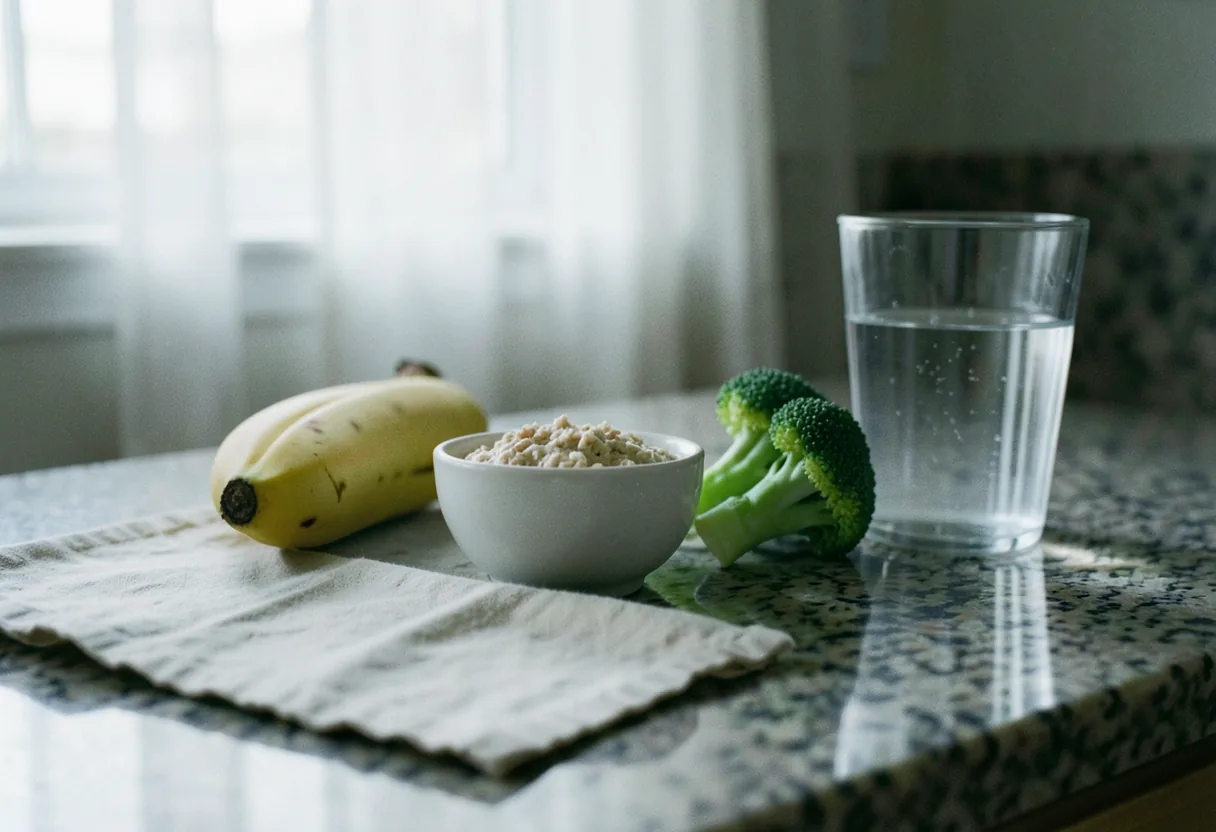
These foods are gentle on the digestive system and help maintain a healthy pH balance in the stomach. For example, bananas are a great snack because they are low in acid and high in potassium, which can help reduce stomach acid. Similarly, oatmeal is a soothing breakfast option that provides fiber and nutrients without causing irritation.
Including lean proteins like grilled chicken or baked fish in your meals can provide essential nutrients without adding excess fat, which is a known trigger for acid reflux. Whole grains such as brown rice and quinoa are also beneficial, as they are easy to digest and help maintain stable blood sugar levels.
What is a small meal for acid reflux?
A small meal for acid reflux is a portion-controlled dish that avoids common triggers and focuses on soothing, easily digestible ingredients.
To create a small meal for acid reflux, opt for dishes that are simple and nutrient-dense. For instance, a small bowl of oatmeal with sliced bananas and a drizzle of honey can be a comforting breakfast. For lunch, a grilled chicken salad with mixed greens, cucumbers, and a light vinaigrette can be both satisfying and gentle on the stomach.
In my experience, keeping portions small and frequent throughout the day can help manage symptoms more effectively than larger, less frequent meals. For example, a small meal might consist of a half-cup of cooked quinoa, a few pieces of steamed broccoli, and a 3-ounce serving of baked salmon. This combination provides a balance of carbohydrates, proteins, and healthy fats without overwhelming the digestive system.
What should I eat for lunch with acid reflux?
For lunch with acid reflux, aim for a balanced meal that includes lean proteins, complex carbohydrates, and non-irritating vegetables.
To prepare a suitable lunch, consider a recipe like a quinoa and vegetable stir-fry with tofu. This dish is not only flavorful but also packed with nutrients that are easy on the stomach. Another option is a turkey and avocado wrap on whole-grain bread, which provides a good source of protein and healthy fats without triggering reflux symptoms.
When selecting ingredients for lunch, avoid high-fat and fried foods, as they can exacerbate acid reflux. Instead, opt for steamed or grilled vegetables and lean proteins. A simple pasta dish with whole-grain noodles, olive oil, and steamed spinach can also be a comforting and reflux-friendly meal.
What are the 7 foods that make GERD worse?
The seven foods that commonly make GERD worse include fatty foods, fried and spicy foods, high-glycemic foods, certain fruits and vegetables, citrus juices, carbonated beverages, and tomato-based products.
Fatty foods, such as fried chicken and creamy sauces, can slow down digestion and increase the pressure on the lower esophageal sphincter, leading to acid reflux. Fried and spicy foods, like chili and french fries, can irritate the lining of the esophagus and trigger symptoms. High-glycemic foods, such as white bread and sugary snacks, can cause a rapid spike in blood sugar, which may contribute to reflux.
Certain fruits and vegetables, particularly those that are acidic or high in fiber, can exacerbate GERD symptoms. For example, tomatoes and citrus fruits like oranges and lemons are known triggers. Carbonated beverages, including soda and sparkling water, can increase stomach pressure and cause belching, which may lead to acid reflux.
7-day meal plan for acid reflux
A 7-day meal plan for acid reflux focuses on low-acid, easily digestible foods that minimize discomfort and promote digestive health.
To create a 7-day meal plan, start with breakfast options that are gentle on the stomach. For example, Monday could feature oatmeal with sliced bananas and a drizzle of honey. Tuesday might include scrambled eggs with spinach and whole-grain toast. Wednesday could be a smoothie made with almond milk, oats, and a scoop of almond butter.
For lunch, consider dishes like a quinoa and vegetable stir-fry with tofu on Monday, a turkey and avocado wrap on whole-grain bread on Tuesday, and a grilled chicken salad with mixed greens and cucumbers on Wednesday. Dinner options could include baked salmon with steamed broccoli and brown rice on Monday, a pasta dish with whole-grain noodles, olive oil, and steamed spinach on Tuesday, and a stir-fry with lean beef, bell peppers, and brown rice on Wednesday.
According to the 1200 Calorie Diet Plan Vegan plan, incorporating a variety of low-acid fruits and vegetables, lean proteins, and whole grains into your meal plan can help manage acid reflux symptoms effectively.
Acid reflux dinner recipes Indian
Acid reflux dinner recipes Indian focus on traditional dishes that are adapted to be gentle on the digestive system and avoid common triggers.
One popular Indian dish that can be adapted for acid reflux is dal (lentil soup). To make a reflux-friendly version, use yellow moong dal, which is easier to digest, and avoid adding excessive spices. Instead, season the dal with a pinch of turmeric and cumin for flavor without causing irritation.
Another option is a simple vegetable curry made with mild spices and served with brown rice. For example, a curry made with spinach, carrots, and potatoes, seasoned with turmeric and coriander, can be both delicious and soothing. To further customize your Indian meals, consider using coconut milk instead of cream to reduce the fat content and minimize acid reflux triggers.
Recipes for GERD and gastritis
Recipes for GERD and gastritis focus on low-acid, easily digestible ingredients that help soothe the digestive system and reduce inflammation.
A bowl of oatmeal with sliced bananas and a drizzle of honey can be a comforting breakfast option. For lunch, a grilled chicken salad with mixed greens, cucumbers, and a light vinaigrette can provide essential nutrients without causing irritation. For dinner, consider a baked salmon dish with steamed broccoli and brown rice, which offers a balance of lean protein, healthy fats, and complex carbohydrates.
Incorporating alkaline foods like bananas, melons, and leafy greens into your meals can help neutralize stomach acid and reduce symptoms of GERD and gastritis. Additionally, avoiding high-fat and fried foods, as well as spicy and acidic ingredients, can help manage symptoms more effectively.
GERD meal plan PDF
A GERD meal plan PDF is a downloadable resource that provides a structured guide to managing acid reflux through diet.
To create a GERD meal plan PDF, start by outlining a 7-day meal plan that includes breakfast, lunch, dinner, and snack options. For example, Monday’s breakfast could be oatmeal with sliced bananas and a drizzle of honey, while Tuesday’s lunch could be a turkey and avocado wrap on whole-grain bread. Include a variety of low-acid fruits and vegetables, lean proteins, and whole grains in your meal plan to ensure a balanced diet.
In my experience, providing a GERD meal plan PDF can be a valuable resource for individuals looking to manage their symptoms through diet. The plan should include specific recipes and portion sizes to help readers understand how to prepare and serve each meal. Additionally, including a shopping list and tips for meal prepping can make the plan more practical and easy to follow.
Pasta recipes for acid reflux sufferers
Pasta recipes for acid reflux sufferers focus on whole-grain noodles and low-acid ingredients that are gentle on the digestive system.
One simple pasta recipe for acid reflux sufferers is a dish made with whole-grain noodles, olive oil, and steamed spinach. To prepare this recipe, cook the whole-grain pasta according to the package instructions and toss it with a light drizzle of olive oil. Add steamed spinach and a pinch of salt for flavor. This dish is not only easy to prepare but also provides essential nutrients without causing irritation.
Another option is a pasta dish with grilled vegetables and a light vinaigrette. For example, a pasta salad made with whole-grain noodles, grilled zucchini, bell peppers, and a light olive oil and lemon juice dressing can be both delicious and soothing. To further customize your pasta recipes, consider adding lean proteins like grilled chicken or baked fish to provide a balance of carbohydrates, proteins, and healthy fats.
Recipes for acid reflux and IBS
Recipes for acid reflux and IBS focus on low-acid, easily digestible ingredients that help soothe the digestive system and reduce inflammation.
Oatmeal for breakfast with sliced bananas and a drizzle of honey can be a comforting option. For lunch, a grilled chicken salad with mixed greens, cucumbers, and a light vinaigrette can provide essential nutrients without causing irritation. For dinner, consider a baked salmon dish with steamed broccoli and brown rice, which offers a balance of lean protein, healthy fats, and complex carbohydrates.
Incorporating alkaline foods like bananas, melons, and leafy greens into your meals can help neutralize stomach acid and reduce symptoms of acid reflux and IBS. Additionally, avoiding high-fat and fried foods, as well as spicy and acidic ingredients, can help manage symptoms more effectively.
Mediterranean diet recipes for GERD
Mediterranean diet recipes for GERD focus on fresh, whole ingredients that are gentle on the digestive system and promote overall health.
A Greek salad made with mixed greens, cucumbers, olives, and a light olive oil and lemon juice dressing is one popular Mediterranean dish that can be adapted for GERD. To make this salad reflux-friendly, avoid adding tomatoes and onions, which can be acidic and trigger symptoms. Instead, opt for fresh lettuce, cucumbers, and bell peppers for a refreshing and soothing dish.
A grilled fish dish with lemon and herbs is another option. For example, a grilled salmon fillet seasoned with lemon, garlic, and oregano can be both delicious and gentle on the stomach. Serve the fish with a side of steamed vegetables, such as broccoli and carrots, for a balanced and nutritious meal. To further customize your Mediterranean recipes, consider using whole grains like brown rice and quinoa to provide essential nutrients without causing irritation.
Recipes for acid reflux Mayo Clinic
The Mayo Clinic offers 19 acid reflux-friendly dishes emphasizing low-acid, easily digestible ingredients to manage symptoms and support digestive health.
A simple oatmeal breakfast with sliced bananas and a drizzle of honey is one recommended recipe from the Mayo Clinic. This dish is not only easy to prepare but also provides essential nutrients without causing irritation. Another option is a grilled chicken salad with mixed greens, cucumbers, and a light vinaigrette, which can be both satisfying and gentle on the stomach.
To further customize your acid reflux recipes, consider incorporating a variety of low-acid fruits and vegetables, lean proteins, and whole grains into your meal plan. According to the Mayo Clinic, avoiding high-fat and fried foods, as well as spicy and acidic ingredients, can help manage symptoms more effectively.
Is your insurance on the list?
Is your insurance on the list? Check if your health insurance provider covers dietary consultations or meal plans for managing acid reflux.
To determine if your insurance covers dietary consultations, contact your health insurance provider and inquire about their coverage for nutrition services. Many insurance plans offer coverage for dietary consultations with a registered dietitian, especially if they are related to managing a chronic condition like acid reflux. Additionally, some insurance providers may cover meal delivery services or grocery reimbursements for specific dietary needs.
In my experience, it’s essential to understand your insurance coverage before seeking dietary consultations or meal plans. By checking with your insurance provider, you can ensure that you are making the most of your benefits and managing your acid reflux symptoms effectively.
What is GERD?
GERD, or gastroesophageal reflux disease, is a chronic condition in which stomach acid flows back into the esophagus, causing irritation and discomfort.
GERD is characterized by symptoms such as heartburn, regurgitation, and difficulty swallowing. These symptoms occur when the lower esophageal sphincter, a muscle that separates the stomach from the esophagus, weakens or relaxes abnormally, allowing stomach acid to flow back into the esophagus. Over time, this can lead to inflammation and damage to the esophageal lining.
According to the Mayo Clinic, GERD is a common condition that affects millions of people worldwide. While occasional acid reflux is normal, frequent and severe symptoms may indicate GERD and require medical attention. To manage GERD effectively, it’s essential to understand the underlying causes and triggers and make lifestyle and dietary changes to reduce symptoms.
What foods may trigger GERD symptoms?
Foods that may trigger GERD symptoms include fatty foods, fried and spicy foods, high-glycemic foods, certain fruits and vegetables, citrus juices, carbonated beverages, and tomato-based products.
Fatty foods, such as fried chicken and creamy sauces, can slow down digestion and increase the pressure on the lower esophageal sphincter, leading to acid reflux. Fried and spicy foods, like chili and french fries, can irritate the lining of the esophagus and trigger symptoms. High-glycemic foods, such as white bread and sugary snacks, can cause a rapid spike in blood sugar, which may contribute to reflux.
Certain fruits and vegetables, particularly those that are acidic or high in fiber, can exacerbate GERD symptoms. For example, tomatoes and citrus fruits like oranges and lemons are known triggers. Carbonated beverages, including soda and sparkling water, can increase stomach pressure and cause belching, which may lead to acid reflux.
Table of Contents
Table of Contents
- What foods are easy to eat with acid reflux?
- What is a small meal for acid reflux?
- What should I eat for lunch with acid reflux?
- What are the 7 foods that make GERD worse?
- 7-day meal plan for acid reflux
- Acid reflux dinner recipes Indian
- Recipes for GERD and gastritis
- GERD meal plan PDF
- Pasta recipes for acid reflux sufferers
- Recipes for acid reflux and IBS
- Mediterranean diet recipes for GERD
- Recipes for acid reflux Mayo Clinic
- Is your insurance on the list?
- What is GERD?
- What foods may trigger GERD symptoms?
Book an appointment with a dietitian
To effectively manage acid reflux through diet, consider booking an appointment with a registered dietitian who specializes in digestive health.
When booking an appointment with a dietitian, look for a professional who has experience in managing acid reflux and GERD. A registered dietitian can provide personalized advice and guidance on creating a meal plan that is tailored to your specific needs and preferences. During your appointment, the dietitian will assess your current diet and lifestyle habits and work with you to develop a plan that includes reflux-friendly foods and avoids common triggers.
In my experience, working with a registered dietitian can be a valuable resource for managing acid reflux symptoms effectively. The dietitian can provide ongoing support and guidance, helping you make the necessary changes to your diet and lifestyle to reduce symptoms and improve your overall health.
What foods may trigger GERD symptoms? (in practice)
Foods that may trigger GERD symptoms include fatty foods, fried and spicy foods, high-glycemic foods, certain fruits and vegetables, citrus ju
Frequently asked questions
What is the best meal for acid reflux?
Oatmeal with bananas or an avocado and lean protein salad are excellent choices. These foods are low in fat, high in fiber, and unlikely to trigger reflux. Almond milk and ginger tea can complement the meal, offering additional soothing benefits. Portion control is also key.
What are the 10 worst foods for acid reflux?
Spicy foods, citrus fruits, tomatoes, chocolate, peppermint, garlic, onions, fatty or fried foods, carbonated beverages, and alcohol are common triggers. These foods can relax the lower esophageal sphincter, increasing reflux risk. Individual tolerance varies, so tracking symptoms helps identify personal triggers.
What drink will calm acid reflux?
Ginger tea, aloe vera juice, and chamomile tea are effective. These drinks have anti-inflammatory properties and can soothe the esophagus. Avoid citrus juices and carbonated drinks. Sipping water throughout the day also dilutes stomach acid, reducing reflux symptoms.
What time should you eat dinner if you have acid reflux?
Finish dinner at least 3 hours before bedtime. This allows your stomach to empty and reduces the risk of acid reflux at night. Eating earlier in the evening and avoiding late-night snacks can significantly improve symptoms.