
Laura Hayes · on 18 July 2026 · 14 min read · Last reviewed 18 July 2026
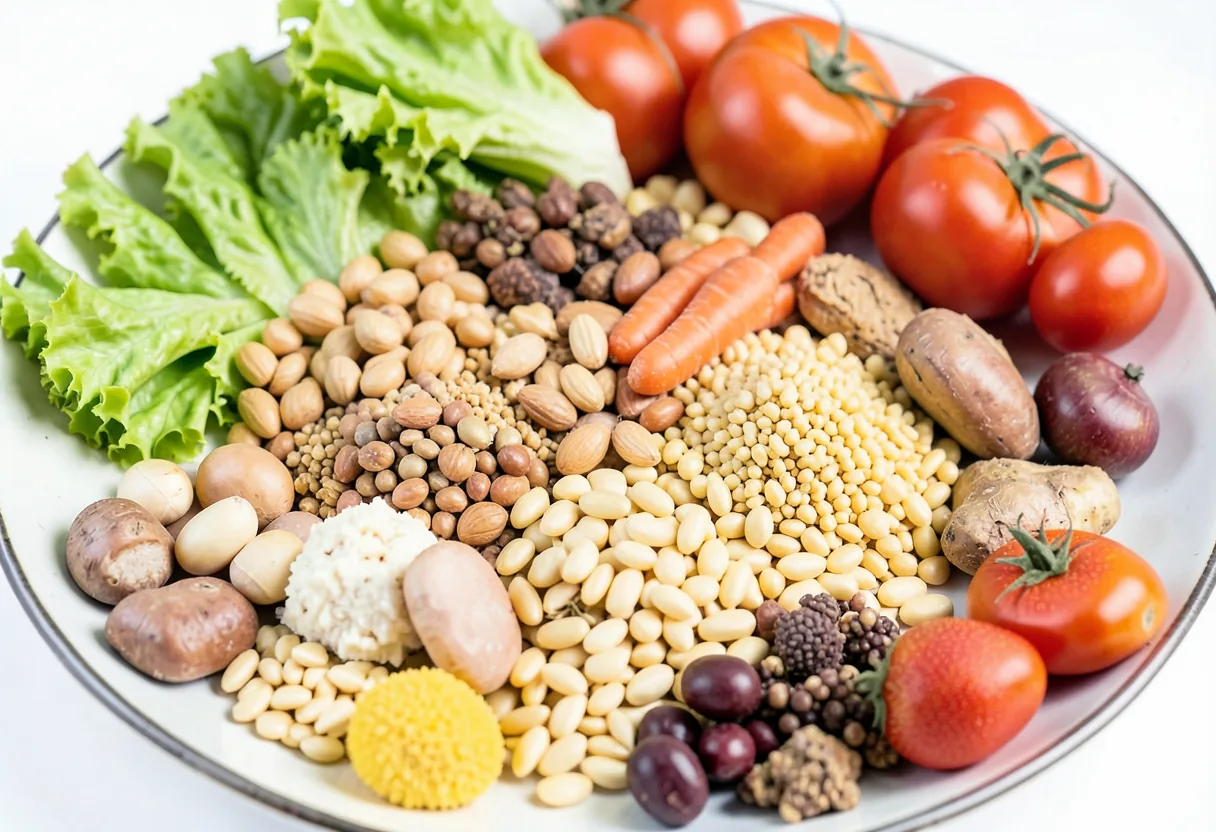
The **highest dietary fiber foods** are those that contain significant amounts of dietary fiber per typical serving, such as legumes, whole grains, and certain vegetables.
In plain terms: Think of dietary fiber as the skeleton of plants, it’s the part that your body can’t digest, but it plays a crucial role in keeping your digestive system running smoothly, like a broom sweeping through your intestines.
Key facts
- Dietary fiber is found only in plant-based foods, not in animal products.
- There are two types of dietary fiber: soluble and insoluble, each with unique health benefits.
- According to the Foods in High Fiber Academy of Nutrition and Dietetics, most adults need at least 25 to 38 grams of dietary fiber per day.
- Fiber-rich foods can help manage weight, control blood sugar, and support heart health.
What is the best meal for acid reflux?
The best meal for acid reflux includes foods that are low in fat, not spicy, and low in acid, such as oatmeal, lean proteins, and non-citrus fruits like bananas and apples.
In my experience, the key to managing acid reflux through diet is to focus on meals that are gentle on the stomach. Oatmeal, for example, is a great option because it’s high in fiber and can help absorb stomach acid. Lean proteins like chicken or turkey, prepared without heavy sauces, are also excellent choices. Non-citrus fruits such as bananas and apples are typically well-tolerated and can provide essential nutrients without triggering reflux.
To create a balanced meal, consider pairing these foods with vegetables like spinach, carrots, or sweet potatoes. These vegetables are not only low in acid but also provide a good source of fiber and other vital nutrients. Avoid fried foods, spicy dishes, and high-fat items, as they can exacerbate acid reflux symptoms.
What are the 10 worst foods for acid reflux?
Spicy foods, citrus fruits, tomatoes, garlic, onions, chocolate, caffeine, alcohol, fried foods, and fatty foods rank among the 10 worst foods for acid reflux.
Spicy foods, such as those containing chili peppers, can irritate the lining of the esophagus and trigger acid reflux. Citrus fruits like oranges, lemons, and grapefruits are highly acidic and can increase stomach acid production. Tomatoes and tomato-based products, including sauces and ketchup, are also known to aggravate acid reflux symptoms.
Garlic and onions, while flavorful, can relax the lower esophageal sphincter, allowing stomach acid to flow back into the esophagus. Chocolate contains methylxanthine, a compound that can relax the lower esophageal sphincter and increase the risk of acid reflux. Caffeine, found in coffee, tea, and some sodas, can also relax the lower esophageal sphincter and increase stomach acid production.
Alcohol, particularly red wine and beer, can irritate the esophagus and increase the production of stomach acid. Fried foods and fatty foods, such as fast food and high-fat desserts, can delay stomach emptying and increase the pressure on the lower esophageal sphincter, leading to acid reflux.
What drink will calm acid reflux?
Drinks that can calm acid reflux include ginger tea, aloe vera juice, and non-citrus herbal teas, such as chamomile or licorice root tea.
Ginger tea is known for its anti-inflammatory properties and can help soothe the digestive system. Aloe vera juice, when taken in small amounts, can help reduce inflammation and calm the esophagus. Non-citrus herbal teas, such as chamomile or licorice root tea, are gentle on the stomach and can help reduce acid reflux symptoms.
It’s important to avoid drinks that are high in acid or caffeine, as they can exacerbate acid reflux. Instead, opt for drinks that are room temperature or slightly cool, as very hot or very cold beverages can irritate the esophagus. Drinking smaller amounts throughout the day can also help prevent acid reflux.
What time should you eat dinner if you have acid reflux?
If you have acid reflux, you should eat dinner at least 2-3 hours before bedtime to allow your stomach to empty and reduce the risk of acid reflux symptoms.
Eating dinner too close to bedtime can increase the likelihood of acid reflux because lying down can cause stomach acid to flow back into the esophagus. By finishing your dinner at least 2-3 hours before bedtime, you give your stomach enough time to empty and reduce the risk of acid reflux symptoms during sleep.
Additionally, it’s helpful to avoid large meals in the evening. Instead, opt for smaller, more frequent meals throughout the day. Eating a balanced diet and avoiding trigger foods can also help manage acid reflux symptoms. If you experience frequent acid reflux, it’s a good idea to consult with a healthcare provider for personalized advice.
7-day meal plan for acid reflux
A 7-day meal plan for acid reflux focuses on low-acid, high-fiber foods that are easy to digest and gentle on the stomach.
To create a 7-day meal plan for acid reflux, start by including foods that are known to be gentle on the stomach. Breakfast options might include oatmeal with sliced bananas and a small amount of honey, or whole-grain toast with a thin layer of almond butter. For lunch, consider grilled chicken with steamed vegetables and a side of quinoa, or a salad with mixed greens, avocado, and lean protein.
Dinner options could include baked fish with a side of sweet potatoes and green beans, or a stir-fry with tofu, bell peppers, and brown rice. Snacks can include a small handful of almonds, a slice of whole-grain bread with hummus, or a smoothie made with non-citrus fruits and almond milk.
What foods neutralize stomach acid immediately?
Foods that can neutralize stomach acid immediately include ginger, oatmeal, and non-citrus fruits like bananas and apples.
Ginger has natural anti-inflammatory properties and can help soothe the digestive system. Oatmeal is a great option because it’s high in fiber and can help absorb stomach acid. Non-citrus fruits like bananas and apples are typically well-tolerated and can provide essential nutrients without triggering reflux.
It’s important to avoid foods that are high in acid or fat, as they can exacerbate acid reflux. Instead, opt for foods that are gentle on the stomach and can help neutralize stomach acid. Drinking plenty of water throughout the day can also help dilute stomach acid and reduce the risk of acid reflux.
Acid reflux dinner recipes
Acid reflux dinner recipes focus on low-acid, high-fiber ingredients that are gentle on the stomach, such as baked salmon with quinoa and steamed vegetables.
One simple acid reflux dinner recipe is baked salmon with quinoa and steamed vegetables. To prepare this meal, season a salmon fillet with a small amount of olive oil, salt, and pepper, and bake it in the oven at 375°F (190°C) for about 15-20 minutes. Cook quinoa according to the package instructions and steam a variety of vegetables, such as carrots, zucchini, and green beans.
Another option is a stir-fry with tofu, bell peppers, and brown rice. Heat a small amount of olive oil in a pan and add cubed tofu and sliced bell peppers. Cook until the tofu is golden brown and the peppers are tender. Serve over cooked brown rice for a balanced and gentle meal.
List of foods to eat with acid reflux
A list of foods to eat with acid reflux includes oatmeal, lean proteins, non-citrus fruits, vegetables, and whole grains.
Oatmeal is a great breakfast option because it’s high in fiber and can help absorb stomach acid. Lean proteins like chicken, turkey, and fish are also excellent choices, as they are low in fat and easy to digest. Non-citrus fruits such as bananas, apples, and pears are typically well-tolerated and can provide essential nutrients without triggering reflux.
Vegetables like spinach, carrots, and sweet potatoes are not only low in acid but also provide a good source of fiber and other vital nutrients. Whole grains like quinoa, brown rice, and whole-grain bread are also good options, as they are high in fiber and can help keep you feeling full and satisfied.
7-day GERD diet plan Indian
A 7-day GERD diet plan Indian focuses on traditional Indian foods that are low in acid and high in fiber, such as dal, idli, and dosa.
To create a 7-day GERD diet plan Indian, start by including foods that are known to be gentle on the stomach. Breakfast options might include idli with coconut chutney, or dosa with sambar. For lunch, consider a meal of dal with brown rice and steamed vegetables, or a salad with mixed greens, cucumbers, and carrots.
Dinner options could include a curry made with tofu, spinach, and coconut milk, or a stir-fry with bell peppers, onions, and brown rice. Snacks can include a small handful of roasted chickpeas, a slice of whole-grain bread with almond butter, or a smoothie made with non-citrus fruits and almond milk.
GERD meal plan PDF
A GERD meal plan PDF provides a structured, printable guide to managing acid reflux through diet, including specific meals and recipes.
If you’re looking for a GERD meal plan PDF, there are several resources available online that provide structured, printable guides to managing acid reflux through diet. These meal plans typically include specific meals and recipes that are low in acid and high in fiber, making them gentle on the stomach.
One example of a GERD meal plan PDF is the one provided by the Foods in High Fiber Academy of Nutrition and Dietetics. This meal plan includes a variety of meals and recipes that are designed to be gentle on the stomach and help manage acid reflux symptoms. It also provides tips for meal prepping and planning, making it easier to stick to a GERD-friendly diet.
Day 1
Day 1 of a GERD meal plan might include oatmeal with sliced bananas and a small amount of honey for breakfast, grilled chicken with steamed vegetables and a side of quinoa for lunch, and baked fish with a side of sweet potatoes and green beans for dinner.
For breakfast, start with a bowl of oatmeal topped with sliced bananas and a small amount of honey. This meal is high in fiber and gentle on the stomach. For lunch, consider grilled chicken with steamed vegetables like carrots, zucchini, and green beans, served with a side of quinoa. This meal is low in fat and high in protein, making it a good option for managing acid reflux.
Baked fish makes a delightful dinner, especially when paired with sweet potatoes and green beans. Season the fish with a small amount of olive oil, salt, and pepper, and bake it in the oven at 375°F (190°C) for about 15-20 minutes. This meal is not only delicious but also gentle on the stomach.
Day 2
Day 2 of a GERD meal plan might include whole-grain toast with a thin layer of almond butter for breakfast, a salad with mixed greens, avocado, and lean protein for lunch, and a stir-fry with tofu, bell peppers, and brown rice for dinner.
Enjoying a slice of whole-grain toast with a thin layer of almond butter makes a great breakfast. This meal is high in fiber and gentle on the stomach. For lunch, consider a salad with mixed greens, avocado, and lean protein like grilled chicken or tofu. This meal is low in fat and high in nutrients, making it a good option for managing acid reflux.
Stir-fry tofu, bell peppers, and brown rice for dinner. Heat a small amount of olive oil in a pan and add cubed tofu and sliced bell peppers. Cook until the tofu is golden brown and the peppers are tender. Serve over cooked brown rice for a balanced and gentle meal.
Meal-Prep Tips
Meal-prep tips for a GERD-friendly diet include planning meals in advance, choosing versatile ingredients, and storing meals properly.
To make meal prepping easier, start by planning your meals for the week. Choose versatile ingredients that can be used in multiple meals, such as lean proteins, whole grains, and a variety of vegetables. This can help reduce the amount of time spent cooking and make it easier to stick to a GERD-friendly diet.
When storing meals, use airtight containers to keep food fresh and prevent spoilage. Label your containers with the date and contents to make it easier to track what you have on hand. Consider prepping meals in batches and freezing them for later use, which can save time and ensure you always have a GERD-friendly meal ready to go.
Day 3
A smoothie with non-citrus fruits and almond milk kicks off breakfast on day 3 of a GERD meal plan, followed by dal with brown rice and steamed vegetables for lunch, and a curry made with tofu, spinach, and coconut milk for dinner.
Blend a smoothie with non-citrus fruits like bananas, apples, and pears, and almond milk for breakfast. This meal is high in fiber and gentle on the stomach. For lunch, consider a meal of dal with brown rice and steamed vegetables like carrots, zucchini, and green beans. This meal is not only delicious but also gentle on the stomach.
Preparing a curry for dinner using tofu, spinach, and coconut milk. Heat a small amount of olive oil in a pan and add cubed tofu and sliced spinach. Cook until the tofu is golden brown and the spinach is tender. Add coconut milk and simmer for a few minutes. Serve over cooked brown rice for a balanced and gentle meal.
Day 4
Idli with coconut chutney could be a breakfast option on the fourth day of a GERD meal plan, with a salad of mixed greens, cucumbers, and carrots for lunch, and a stir-fry with bell peppers, onions, and brown rice for dinner.
Start your day with idli and coconut chutney. This meal is high in fiber and gentle on the stomach. For lunch, consider a salad with mixed greens, cucumbers, and carrots. This meal is low in fat and high in nutrients, making it a good option for managing acid reflux.
Chop bell peppers and onions for a stir-fry served over brown rice. Heat a small amount of olive oil in a pan and add sliced bell peppers and onions. Cook until the vegetables are tender. Serve over cooked brown rice for a balanced and gentle meal.
Day 5
Dosa with sambar could be on the menu for breakfast during the fifth day of a GERD meal plan, followed by grilled chicken with steamed vegetables and quinoa for lunch, and baked fish with sweet potatoes and green beans for dinner.
Start your day with dosa and sambar for breakfast. This meal is high in fiber and gentle on the stomach. For lunch, consider a meal of grilled chicken with steamed vegetables like carrots, zucchini, and green beans, served with a side of quinoa. This meal is low in fat and high in protein, making it a good option for managing acid reflux.
For dinner, enjoy baked fish with a side of sweet potatoes and green beans. Season the fish with a small amount of olive oil, salt, and pepper, and bake it in the oven at 375°F (190°C) for about 15-20 minutes. This meal is not only delicious but also gentle on the stomach.
Day 6
Oatmeal with sliced bananas and a small amount of honey might be included for breakfast on the sixth day of a GERD meal plan, followed by a salad with mixed greens, avocado, and lean protein for lunch, and a curry made with tofu, spinach, and coconut milk for dinner.
A bowl of oatmeal for breakfast, topped with sliced bananas and a small amount of honey. This meal is high in fiber and gentle on the stomach. For lunch, consider a salad with mixed greens, avocado, and lean protein like grilled chicken or tofu. This meal is low in fat and high in nutrients, making it a good option for managing acid reflux.
Prepare a curry made with tofu, spinach, and coconut milk for dinner. Heat a small amount of olive oil in a pan and add cubed tofu and sliced spinach. Cook until the tofu is golden brown and the spinach is tender. Add coconut milk and simmer for a few minutes. Serve over cooked brown rice for a balanced and gentle meal.
Day 7
On Day 7, a GERD meal plan might include whole-grain toast with a thin layer of almond butter for breakfast, a meal of dal with brown rice and steamed vegetables for lunch, and a stir-fry with tofu, bell peppers, and brown rice for dinner.
Whole-grain toast for breakfast topped with a thin layer of almond butter. This meal is high in fiber and gentle on the stomach. For lunch, consider a meal of dal with brown rice and steamed vegetables like carrots, zucchini, and green beans. This meal is not only delicious but also gentle on the stomach.
Stir-fry tofu, bell peppers, and brown rice for dinner. Heat a small amount of olive oil in a pan and add cubed tofu and sliced bell peppers. Cook until the tofu is golden brown and the peppers are tender. Serve over cooked brown rice for a balanced and gentle meal.
| Meal Type | Example Foods | Key Benefits |
|---|