
Laura Sherman · on 18 July 2026 · 14 min read · Last reviewed 18 July 2026
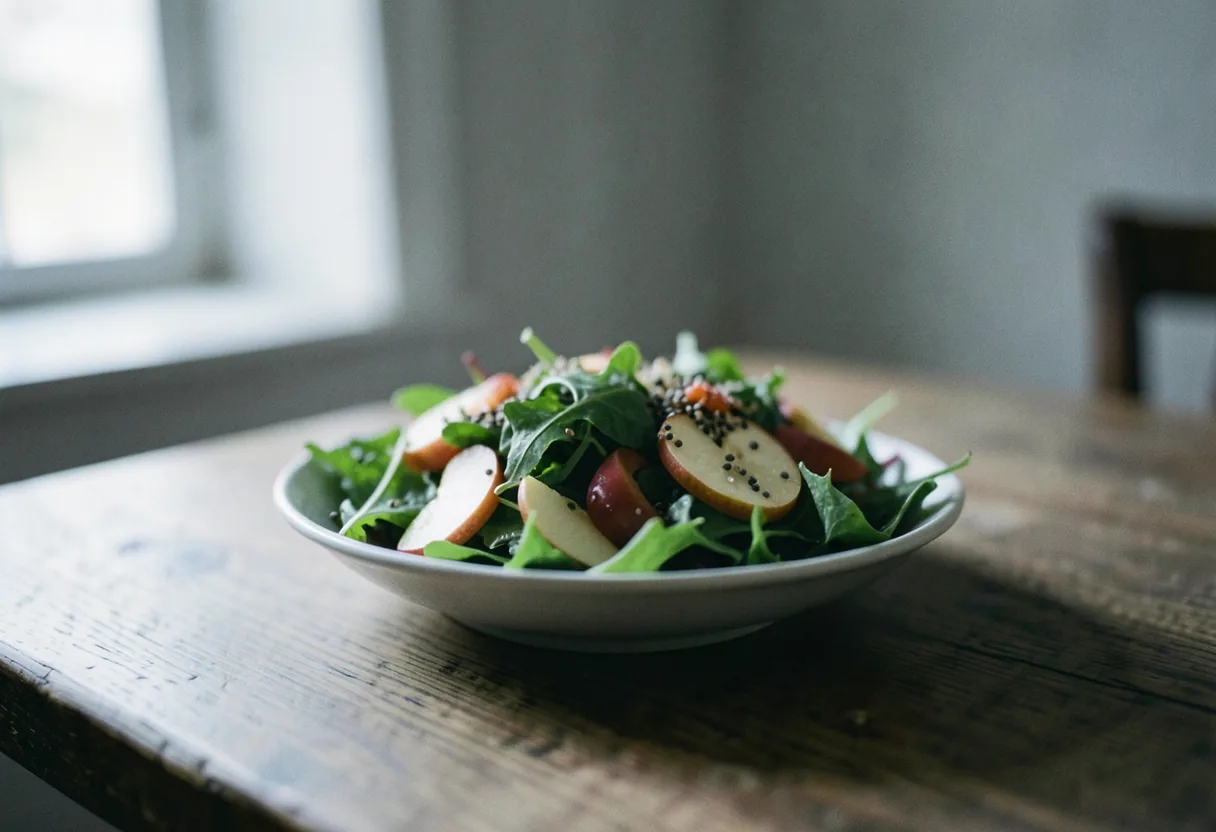
Foods in high fiber are plant-based foods that contain large amounts of dietary fiber, which supports digestive health and helps manage conditions like acid reflux.
In plain terms: Think of high-fiber foods as the scaffolding that keeps your digestive system strong, much like the frame of a house keeps it standing.
Key facts
- Fiber is a type of carbohydrate that the body cannot digest, found in plant-based foods.
- High-fiber foods typically contain at least 5 grams of fiber per serving.
- According to the American Heart Association, adults should consume at least 25 to 35 grams of fiber daily.
- Soluble fiber, found in foods like oats and apples, can help reduce acid reflux symptoms.
What is the best meal for acid reflux?
The best meal for acid reflux is one that is low in fat, high in fiber, and includes lean proteins and alkaline vegetables.
To construct such a meal, focus on incorporating foods that are known to neutralize stomach acid. For example, a dinner consisting of grilled chicken breast, steamed broccoli, and a side of quinoa can be very effective. The chicken provides lean protein, the broccoli offers alkaline benefits, and quinoa is rich in fiber. The first time I really looked at my acid reflux diet, I realized how much of a difference small ingredient swaps could make.
Other excellent options include baked salmon with a side of sweet potatoes and green beans, or a tofu stir-fry with a variety of colorful vegetables. These meals are not only delicious but also designed to minimize acid reflux symptoms. For more meal ideas, explore our Highest Dietary Fiber Foods guide.
What are the 10 worst foods for acid reflux?
The 10 worst foods for acid reflux include spicy foods, citrus fruits, tomatoes, chocolate, garlic, onions, fatty and fried foods, peppermint, carbonated beverages, and alcohol.
These foods can trigger or exacerbate acid reflux symptoms by relaxing the lower esophageal sphincter, increasing stomach acid production, or delaying stomach emptying. For instance, spicy foods contain capsaicin, which can irritate the esophagus and trigger heartburn. Citrus fruits, such as oranges and lemons, are highly acidic and can increase stomach acid levels.
Fatty and fried foods, like French fries and fried chicken, can slow down digestion and put pressure on the stomach, leading to acid reflux. Carbonated beverages, including soda and sparkling water, can cause gas and bloating, which can also trigger reflux symptoms. Alcohol, especially red wine and beer, can relax the lower esophageal sphincter and increase stomach acid production.
What drink will calm acid reflux?
Drinks that can calm acid reflux include ginger tea, aloe vera juice, licorice tea, and non-citrus juices like carrot or aloe vera juice.
Ginger tea, for example, has natural anti-inflammatory properties that can help soothe the digestive system and reduce acid reflux symptoms. Aloe vera juice is known for its healing properties and can help calm irritation in the esophagus. Licorice tea can increase mucus production and create a protective coating in the esophagus, reducing the impact of stomach acid.
Non-citrus juices, such as carrot juice, are less likely to trigger acid reflux compared to citrus juices. Additionally, drinking plenty of water throughout the day can help dilute stomach acid and promote digestion, reducing the risk of acid reflux. For more information on managing acid reflux, check out our 1200 Calorie Low Carb Meal Plan guide.
What time should you eat dinner if you have acid reflux?
If you have acid reflux, you should eat dinner at least 2-3 hours before lying down to allow your stomach to empty and reduce the risk of acid reflux symptoms.
Eating late at night can exacerbate acid reflux symptoms because lying down too soon after eating can cause stomach acid to flow back into the esophagus. To minimize this risk, plan your dinner for early in the evening and avoid eating within 2-3 hours of bedtime. This gives your stomach enough time to digest the food and reduces the likelihood of acid reflux.
Additionally, avoiding large meals before bedtime can help. Instead, opt for a smaller, balanced meal that includes high-fiber foods, lean proteins, and healthy fats. For example, a dinner of grilled fish with a side of steamed vegetables and a small portion of brown rice can be a good choice. For more tips on managing acid reflux, refer to our 1200 Calorie Deficit Meal Plan guide.
7-day meal plan for acid reflux
A 7-day meal plan for acid reflux focuses on foods that are low in fat, high in fiber, and include lean proteins and alkaline vegetables.
Here is a sample 7-day meal plan to help manage acid reflux symptoms:
- Day 1: Breakfast – Oatmeal with banana and almond milk; Lunch – Grilled chicken salad with mixed greens and olive oil dressing; Dinner – Baked salmon with steamed broccoli and quinoa.
- Day 2: Breakfast – Whole grain toast with avocado and poached eggs; Lunch – Turkey wrap with whole grain tortilla and mixed vegetables; Dinner – Stir-fried tofu with brown rice and mixed vegetables.
- Day 3: Breakfast – Smoothie with spinach, banana, and almond milk; Lunch – Quinoa salad with mixed vegetables and grilled chicken; Dinner – Baked cod with steamed green beans and sweet potato.
- Day 4: Breakfast – Whole grain cereal with almond milk and sliced pear; Lunch – Lentil soup with whole grain bread; Dinner – Grilled shrimp with steamed asparagus and brown rice.
- Day 5: Breakfast – Yogurt with granola and sliced apple; Lunch – Chickpea salad with mixed greens and olive oil dressing; Dinner – Baked chicken breast with steamed carrots and quinoa.
- Day 6: Breakfast – Whole grain pancakes with maple syrup and sliced banana; Lunch – Grilled salmon salad with mixed greens and olive oil dressing; Dinner – Stir-fried vegetables with tofu and brown rice.
- Day 7: Breakfast – Smoothie with spinach, banana, and almond milk; Lunch – Quinoa salad with mixed vegetables and grilled chicken; Dinner – Baked cod with steamed broccoli and sweet potato.
What foods neutralize stomach acid immediately?
Foods that can neutralize stomach acid immediately include ginger, bananas, melons, oatmeal, and almonds.
Ginger has natural anti-inflammatory properties that can help soothe the digestive system and reduce stomach acid production. Bananas are low in acid and can help neutralize stomach acid, providing relief from acid reflux symptoms. Melons, such as watermelon and cantaloupe, are also low in acid and can help neutralize stomach acid.
Oatmeal is a soluble fiber that can absorb excess stomach acid and provide a protective coating in the esophagus. Almonds are a good source of healthy fats and can help reduce inflammation in the digestive system. Including these foods in your diet can help manage acid reflux symptoms and promote overall digestive health.
Acid reflux dinner recipes
Acid reflux dinner recipes focus on foods that are low in fat, high in fiber, and include lean proteins and alkaline vegetables.
Here are a few acid reflux-friendly dinner recipes to try:
- Grilled Chicken with Steamed Broccoli and Quinoa: Marinate chicken breast in olive oil, lemon juice, and herbs, then grill until cooked through. Serve with steamed broccoli and a side of quinoa.
- Baked Salmon with Steamed Green Beans and Sweet Potato: Season salmon fillet with olive oil, lemon juice, and herbs, then bake until cooked through. Serve with steamed green beans and a baked sweet potato.
- Stir-Fried Tofu with Brown Rice and Mixed Vegetables: Stir-fry tofu with a variety of colorful vegetables in olive oil. Serve with a side of brown rice.
- Baked Cod with Steamed Carrots and Quinoa: Season cod fillet with olive oil, lemon juice, and herbs, then bake until cooked through. Serve with steamed carrots and a side of quinoa.
- Grilled Shrimp with Steamed Asparagus and Brown Rice: Season shrimp with olive oil, lemon juice, and herbs, then grill until cooked through. Serve with steamed asparagus and a side of brown rice.
7-day GERD diet plan Indian
A 7-day GERD diet plan Indian focuses on foods that are low in fat, high in fiber, and include lean proteins and alkaline vegetables, incorporating traditional Indian ingredients.
A sample 7-day GERD diet plan Indian includes the following.
- Day 1: Breakfast – Moong dal chilla with mint chutney; Lunch – Brown rice with dal and sautéed spinach; Dinner – Grilled fish with steamed vegetables and quinoa.
- Day 2: Breakfast – Besan chilla with tomato chutney; Lunch – Quinoa salad with mixed vegetables and grilled chicken; Dinner – Stir-fried tofu with brown rice and mixed vegetables.
- Day 3: Breakfast – Poha with peanuts and coriander; Lunch – Lentil soup with whole grain bread; Dinner – Baked chicken breast with steamed carrots and brown rice.
- Day 4: Breakfast – Ragi dosa with coconut chutney; Lunch – Chickpea salad with mixed greens and olive oil dressing; Dinner – Grilled shrimp with steamed green beans and quinoa.
- Day 5: Breakfast – Vegetable upma with coriander; Lunch – Brown rice with dal and sautéed spinach; Dinner – Baked cod with steamed broccoli and sweet potato.
- Day 6: Breakfast – Moong dal chilla with mint chutney; Lunch – Quinoa salad with mixed vegetables and grilled chicken; Dinner – Stir-fried tofu with brown rice and mixed vegetables.
- Day 7: Breakfast – Besan chilla with tomato chutney; Lunch – Lentil soup with whole grain bread; Dinner – Baked chicken breast with steamed carrots and brown rice.
GERD meal plan PDF
A GERD meal plan PDF provides a structured guide to managing acid reflux symptoms through diet, focusing on foods that are low in fat, high in fiber, and include lean proteins and alkaline vegetables.
For a comprehensive GERD meal plan, download our highest fiber fruits guide, which includes a detailed 7-day meal plan, acid reflux-friendly recipes, and tips for managing symptoms. This PDF is designed to help you make informed dietary choices and promote overall digestive health.
In my experience, having a structured meal plan can make a significant difference in managing acid reflux symptoms. It provides clarity and ensures that you are making the best dietary choices for your health.
How to create a balanced high-fiber meal plan for acid reflux?
To create a balanced high-fiber meal plan for acid reflux, you should focus on incorporating a variety of fiber-rich foods, lean proteins, and healthy fats while avoiding known triggers.
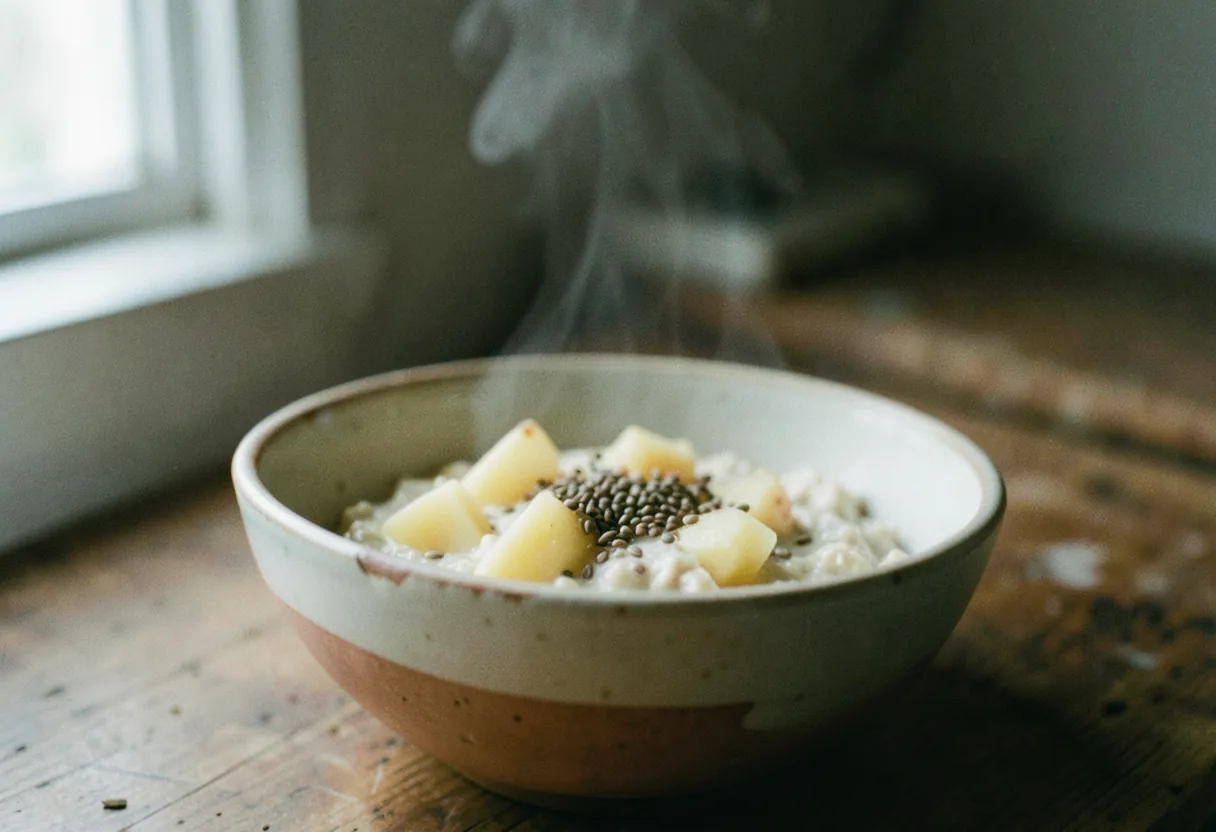
Start by including a mix of soluble and insoluble fibers in your meals. Soluble fiber, found in foods like oats, apples, and beans, can help absorb excess stomach acid and slow down digestion. Insoluble fiber, found in whole grains, nuts, and vegetables, adds bulk to the diet and supports regular bowel movements. For instance, a breakfast of oatmeal with sliced apples and a sprinkle of chia seeds provides both soluble and insoluble fiber.
Next, incorporate lean proteins such as grilled chicken, fish, tofu, and legumes. These proteins are easier to digest and less likely to trigger acid reflux symptoms. Pair these proteins with a variety of colorful vegetables like spinach, broccoli, and carrots, which are low in fat and high in fiber. For example, a lunch of grilled chicken with a side of steamed broccoli and quinoa offers a balanced mix of protein, fiber, and healthy carbohydrates.
Additionally, include healthy fats like olive oil, avocados, and nuts in moderation. These fats can help reduce inflammation and support overall digestive health. For instance, a dinner of baked salmon with a side of steamed green beans and a drizzle of olive oil provides healthy fats and fiber.
To ensure a balanced diet, vary your food choices throughout the week. Use the following table as a guide to plan your meals:
| Food Group | Examples | Serving Size |
|---|---|---|
| Whole Grains | Oats, quinoa, brown rice | 1/2 cup |
| Fruits | Apples, bananas, melons | 1 medium or 1 cup |
| Vegetables | Spinach, broccoli, carrots | 1 cup |
| Lean Proteins | Grilled chicken, fish, tofu | 3-4 oz |
| Healthy Fats | Olive oil, avocados, nuts | 1-2 tbsp or 1/4 cup |
When creating your meal plan, consider the following steps:
- Assess your current diet and identify foods that trigger acid reflux symptoms.
- Plan your meals to include a variety of fiber-rich foods, lean proteins, and healthy fats.
- Prepare meals in advance to ensure you have healthy options available throughout the week.
- Monitor your symptoms and adjust your meal plan as needed.
- Consult with a healthcare professional or a registered dietitian for personalized advice.
What are some high-fiber snacks for acid reflux?
High-fiber snacks for acid reflux include options like fresh fruits, nuts, seeds, and whole grain crackers.
Fresh fruits such as apples, bananas, and pears are excellent high-fiber snacks that are also low in acid. For example, an apple with a small handful of almonds provides a good balance of fiber and healthy fats. Nuts and seeds like chia seeds, flaxseeds, and sunflower seeds are also rich in fiber and can help support digestive health. A tablespoon of chia seeds mixed with almond milk and a dash of honey makes a nutritious and soothing snack.
Whole grain crackers paired with hummus or avocado can be a satisfying and fiber-rich snack. For instance, whole grain crackers with a spread of hummus offer a combination of soluble and insoluble fiber. Additionally, vegetables like carrots, cucumbers, and bell peppers can be enjoyed with a dip like guacamole or a light yogurt-based dressing.
For a warm and comforting snack, try a bowl of air-popped popcorn. Popcorn is a whole grain and a good source of fiber. Just be sure to avoid adding butter or excessive salt, which can trigger acid reflux symptoms. A sprinkle of nutritional yeast can add a cheesy flavor without the added fat.
Apples with the skin on contain 4.4 grams of fiber per medium-sized fruit.
- Apple slices with almond butter
- Carrot sticks with hummus
- Whole grain crackers with avocado
- Chia seed pudding with almond milk
- Air-popped popcorn with nutritional yeast
- Banana with a sprinkle of chia seeds
- Trail mix with nuts and seeds
- Pear with a small handful of walnuts
Incorporating these high-fiber snacks into your diet can help manage acid reflux symptoms and promote overall digestive health. For more snack ideas, check out our Highest Dietary Fiber Foods guide.
How to increase fiber intake gradually?
To increase fiber intake gradually, start by adding small amounts of fiber-rich foods to your meals and snacks, and gradually increase the portion sizes over time.
Begin by incorporating one or two high-fiber foods into your daily diet. For example, you can start by adding a serving of oatmeal to your breakfast or including a side of steamed vegetables with your lunch. Gradually increase the portion sizes of these foods as your body adjusts to the higher fiber intake. For instance, if you start with a half-cup serving of oatmeal, you can gradually increase it to a full cup over a few weeks.
Choose a variety of fiber-rich foods to ensure you are getting both soluble and insoluble fiber. Soluble fiber, found in foods like oats, beans, and apples, can help absorb excess stomach acid and slow down digestion. Insoluble fiber, found in whole grains, nuts, and vegetables, adds bulk to the diet and supports regular bowel movements. For example, a lunch of quinoa salad with mixed vegetables and grilled chicken provides both types of fiber.
Stay hydrated by drinking plenty of water throughout the day. Water helps soften the fiber in your diet, making it easier to digest and reducing the risk of bloating and discomfort. Aim to drink at least 8 cups of water daily, and more if you are physically active or live in a hot climate. Herbal teas like ginger tea or chamomile tea can also be soothing and hydrating.
Monitor your symptoms and adjust your fiber intake as needed. If you experience bloating, gas, or discomfort, you may need to increase your fiber intake more gradually or choose different fiber-rich foods. For example, if beans cause discomfort, you can try incorporating more vegetables like spinach or broccoli into your diet. According to the Academy of Nutrition and Dietetics, gradually increasing fiber intake can help minimize digestive discomfort and promote overall digestive health.
Increasing your fiber intake gradually can be achieved with these tips.
- Add a serving of oatmeal to your breakfast.
- Include a side of steamed vegetables with your lunch.
- Choose whole grain bread and pasta for your meals.
- Snack on fresh fruits like apples and bananas.
- Incorporate nuts and seeds into your diet.
- Stay hydrated by drinking plenty of water throughout the day.
- Monitor your symptoms and adjust your fiber intake as needed.
By following these steps and incorporating a variety of high-fiber foods into your diet, you can gradually increase your fiber intake and support digestive health. For more tips on increasing fiber intake, refer to our 1200 Calorie Deficit Meal Plan guide.
In my experience, gradually increasing fiber intake can make a significant difference in managing acid reflux symptoms and promoting overall digestive health. It’s important to listen to your body and make adjustments as needed.
Frequently asked questions
Which foods are highest in fiber?
Beans, lentils, and peas top the list, offering 15-17 grams per cup. Artichokes provide 10 grams per medium vegetable. Whole grains like barley and oats contribute 6-7 grams per cup. Fruits like raspberries and apples (with skin) deliver 8-5 grams per cup respectively. Vegetables such as broccoli and Brussels sprouts offer 5-4 grams per cup. Nuts and seeds, like almonds and chia seeds, provide 3-4 grams per quarter cup.
How much daily fiber is recommended?
Adults should aim for 25-38 grams daily. Men need 38 grams, women 25 grams. Children require 19-31 grams, depending on age. Gradual increases prevent bloating. Hydration aids digestion. Soluble fiber lowers cholesterol; insoluble fiber supports gut health. Balancing both types maximizes benefits. Dietary adjustments should be gradual to minimize discomfort.
What are the health benefits of a high-fiber diet?
Fiber promotes gut health by feeding beneficial bacteria. It stabilizes blood sugar levels, reducing diabetes risk. Fiber lowers LDL cholesterol, supporting heart health. Weight management improves as fiber-rich foods increase satiety. Regular consumption reduces colorectal cancer risk. Fiber also supports digestive regularity, preventing constipation. Overall, it enhances long-term health and wellbeing through diverse mechanisms.
Can high-fiber foods help with weight loss?
Yes, high-fiber foods increase fullness, reducing overall calorie intake. Soluble fiber forms a gel, slowing digestion and stabilizing blood sugar. Insoluble fiber adds bulk, promoting regular bowel movements. Studies show fiber-rich diets correlate with lower body weight. Gradual fiber increases prevent bloating. Hydration is crucial for optimal digestion. Combining fiber with a balanced diet supports sustainable weight loss.