
Laura Hayes · on 18 July 2026 · 11 min read · Last reviewed 18 July 2026
Acorn squash is a low-FODMAP food, making it suitable for those monitoring their acorn squash FODMAP intake to manage acid reflux symptoms.
In plain terms: Think of acorn squash as a neutral, easy-to-digest vegetable that won’t provoke your stomach the way onions or garlic might.
Key facts
- Acorn squash is low in fat and calories, with approximately 56 calories per cooked cup.
- It provides 2 grams of dietary fiber per cooked cup, aiding digestion.
- Acorn squash contains vitamin C, potassium, and magnesium, supporting overall health.
- A 1-cup serving of cooked acorn squash contains about 1.3 grams of protein.
Is acorn squash safe for acid reflux sufferers?
Yes, acorn squash is safe for acid reflux sufferers due to its low-FODMAP content and gentle digestive properties.
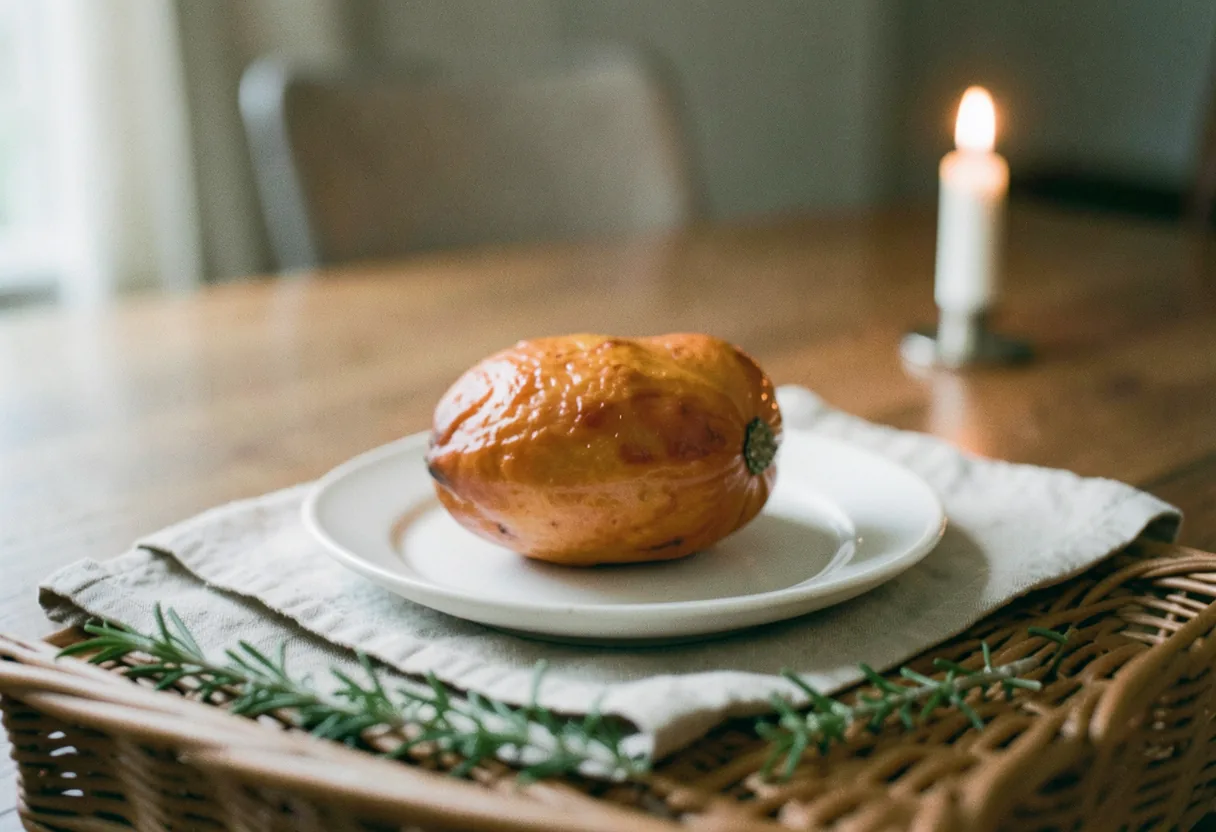
The Monash University Low FODMAP Diet app, a trusted source for FODMAP information, lists acorn squash as low FODMAP in servings of 1 cup (164g) or less. This makes it a suitable choice for those managing acid reflux. To incorporate acorn squash into your acid reflux diet menu, consider roasting it with a small amount of olive oil and a pinch of salt. Roasting enhances its natural sweetness and makes it an enjoyable side dish.
What is the best meal for acid reflux?
The best meal for acid reflux is a balanced, low-FODMAP meal that includes lean protein, non-citrus fruits, and vegetables like acorn squash.
To create a balanced meal, combine lean protein such as grilled chicken with non-citrus fruits like bananas or melons, and vegetables like acorn squash. For example, a dinner of grilled chicken, steamed acorn squash, and a side of quinoa can be soothing and gentle on the stomach. Always avoid common acid reflux triggers like spicy foods, citrus, and high-fat dishes. The National Institute of Diabetes and Digestive and Kidney Diseases recommends eating smaller, more frequent meals throughout the day to help manage acid reflux symptoms.
What are the 10 worst foods for acid reflux?
Spicy foods, citrus fruits, tomatoes, chocolate, garlic, onions, fried or fatty foods, carbonated beverages, alcohol, and mint rank among the 10 worst foods for acid reflux.
Spicy foods can irritate the esophagus and trigger acid production, while citrus fruits and tomatoes are highly acidic. Chocolate contains methylxanthine, which can relax the lower esophageal sphincter, allowing stomach acid to flow back into the esophagus. Garlic and onions are high in FODMAPs, which can cause bloating and discomfort. Fried or fatty foods slow down digestion and increase stomach pressure, and carbonated beverages can cause gas and bloating. Alcohol relaxes the lower esophageal sphincter and increases stomach acid production, and mint can relax the lower esophageal sphincter. According to the American College of Gastroenterology, avoiding these foods can help reduce acid reflux symptoms.
What drink will calm acid reflux?
Drinks that calm acid reflux include ginger tea, chamomile tea, aloe vera juice, and non-citrus juices like apple or carrot juice.
Ginger tea has anti-inflammatory properties and can help soothe the digestive system. Chamomile tea is known for its calming effects on the stomach, and aloe vera juice can reduce inflammation and promote healing of the esophageal lining. Non-citrus juices like apple or carrot juice are less likely to trigger acid reflux. The International Foundation for Gastrointestinal Disorders recommends sipping these drinks slowly to avoid swallowing air, which can exacerbate symptoms.
What time should you eat dinner if you have acid reflux?
If you have acid reflux, you should eat dinner at least 2-3 hours before lying down to sleep.
Eating dinner earlier allows your stomach to empty and reduces the risk of acid reflux during sleep. The American Gastroenterological Association suggests finishing your last meal or snack at least 2-3 hours before bedtime to minimize nighttime symptoms. This practice helps prevent stomach acid from flowing back into the esophagus while you are lying down.
7-day meal plan for acid reflux
A 7-day meal plan for acid reflux focuses on low-FODMAP, non-acidic foods that are gentle on the digestive system.
To create a 7-day meal plan, include a variety of lean proteins, non-citrus fruits, and vegetables like acorn squash. For example, Day 1 could consist of scrambled eggs for breakfast, a grilled chicken salad with mixed greens and olive oil dressing for lunch, and baked salmon with steamed acorn squash and quinoa for dinner. Day 2 could include oatmeal with banana slices for breakfast, a turkey and avocado wrap for lunch, and baked chicken with roasted carrots and brown rice for dinner. Continue this pattern, ensuring each day’s meals are balanced and avoid common acid reflux triggers. The Academy of Nutrition and Dietetics provides guidelines for creating a balanced diet that manages acid reflux symptoms.
What foods neutralize stomach acid immediately?
Foods that can help neutralize stomach acid immediately include ginger, oatmeal, bananas, and melons.
Ginger has natural anti-inflammatory properties and can help soothe the stomach lining. Oatmeal is a bland, low-fat food that can absorb stomach acid and provide relief. Bananas are low in acid and can help neutralize stomach acid. Melons, such as cantaloupe and honeydew, are also low in acid and can be soothing. The Mayo Clinic suggests incorporating these foods into your diet to help manage acid reflux symptoms.
Acid reflux dinner recipes
Acid reflux dinner recipes focus on low-FODMAP, non-acidic ingredients that are gentle on the digestive system.
One simple recipe is baked chicken with roasted vegetables. Season chicken breasts with salt, pepper, and a small amount of olive oil, then bake at 375°F (190°C) for 25-30 minutes. Roast vegetables like acorn squash, carrots, and zucchini with a drizzle of olive oil and a pinch of salt at 400°F (200°C) for 20-25 minutes. Serve the chicken with the roasted vegetables and a side of quinoa or brown rice. Another recipe is grilled salmon with steamed green beans and mashed sweet potatoes. Season the salmon with lemon juice (if tolerated), salt, and pepper, then grill for 6-8 minutes on each side. Steam the green beans until tender and mash the sweet potatoes with a small amount of butter and salt. Serve the salmon with the green beans and mashed sweet potatoes. These recipes are designed to be gentle on the stomach and avoid common acid reflux triggers.
List of foods to eat with acid reflux
A list of foods to eat with acid reflux includes lean proteins, non-citrus fruits, vegetables like acorn squash, whole grains, and healthy fats.
Lean proteins such as chicken, turkey, fish, and tofu should be included on the list. Non-citrus fruits like bananas, melons, and apples are also suitable. Vegetables like acorn squash, carrots, and zucchini are low in acid and easy to digest. Whole grains like quinoa, brown rice, and oatmeal provide fiber and are gentle on the stomach. Healthy fats from sources like olive oil, avocados, and nuts can be incorporated in moderation. The Cleveland Clinic provides a comprehensive list of foods that are safe for those managing acid reflux.
7-day GERD diet plan Indian
A 7-day GERD diet plan Indian focuses on traditional Indian foods that are low in acid and gentle on the digestive system.
Day 1 could include poha (flattened rice) with peanuts and mild spices for breakfast, a vegetable pulao with carrots, beans, and basmati rice for lunch, and dal (lentil soup) with steamed rice and a side of lauki (bottle gourd) sabzi for dinner. Day 2 could consist of upma (semolina porridge) with vegetables for breakfast, a chicken curry with basmati rice for lunch, and a vegetable stir-fry with moong dal for dinner. Continue this pattern, ensuring each day’s meals are balanced and avoid common acid reflux triggers. The Indian Dietetic Association provides guidelines for creating a balanced diet that manages acid reflux symptoms.
GERD meal plan PDF
A GERD meal plan PDF provides a structured, printable guide for managing acid reflux through diet.
Including a 7-day meal plan with breakfast, lunch, and dinner options, as well as snack ideas, the GERD meal plan PDF should be comprehensive. It should also provide a list of foods to avoid and tips for meal preparation. For example, the PDF could include recipes like baked chicken with roasted vegetables, grilled salmon with steamed green beans, and vegetable pulao with basmati rice. The International Foundation for Gastrointestinal Disorders offers resources and guidelines for creating a GERD meal plan.
Meal-Prep Tips
Meal-prep tips for acid reflux focus on preparing meals in advance that are low-FODMAP and gentle on the digestive system.
To save time and ensure you have acid reflux-friendly meals ready, batch-cook grains like quinoa and brown rice. Prepare large portions of lean proteins like grilled chicken or baked salmon and store them in the refrigerator. Chop and store vegetables like acorn squash, carrots, and zucchini for easy use in recipes. The Academy of Nutrition and Dietetics provides tips for meal prepping that can help manage acid reflux symptoms.
Day 3
Day 3 of an acid reflux meal plan could include oatmeal with banana slices for breakfast, a turkey and avocado wrap for lunch, and baked chicken with roasted carrots and brown rice for dinner.
For breakfast, prepare oatmeal with a sliced banana and a drizzle of honey. For lunch, make a turkey and avocado wrap using whole grain tortillas, turkey slices, avocado, and a small amount of mayonnaise. For dinner, bake chicken breasts seasoned with salt, pepper, and a small amount of olive oil. Roast carrots with a drizzle of olive oil and a pinch of salt. Serve the chicken with the roasted carrots and a side of brown rice. These meals are designed to be gentle on the stomach and avoid common acid reflux triggers.
Day 4
Scrambled eggs might be on the menu for breakfast on the fourth day of an acid reflux meal plan, with a quinoa salad with mixed greens and olive oil dressing for lunch, and grilled salmon with steamed green beans and mashed sweet potatoes for dinner.
For breakfast, prepare scrambled eggs with a small amount of butter and salt. For lunch, make a quinoa salad with mixed greens, cherry tomatoes, cucumber, and an olive oil dressing. For dinner, grill salmon seasoned with salt, pepper, and a small amount of lemon juice (if tolerated). Steam green beans until tender and mash sweet potatoes with a small amount of butter and salt. Serve the salmon with the green beans and mashed sweet potatoes. These meals are designed to be gentle on the stomach and avoid common acid reflux triggers.
Day 5
Including a smoothie with spinach, banana, and almond milk for breakfast, a chicken and vegetable stir-fry with brown rice for lunch, and baked cod with roasted zucchini and quinoa for dinner, day 5 of an acid reflux meal plan offers balanced options.
Blend spinach, a banana, and almond milk for a nutritious breakfast smoothie. For lunch, stir-fry chicken breast with vegetables like carrots, zucchini, and bell peppers using a small amount of olive oil. Season with salt and pepper, and serve over brown rice. For dinner, bake cod fillets seasoned with salt, pepper, and a small amount of olive oil. Roast zucchini with a drizzle of olive oil and a pinch of salt. Serve the cod with the roasted zucchini and a side of quinoa. These meals are designed to be gentle on the stomach and avoid common acid reflux triggers.
Day 6
Pancakes with a side of apple slices start Day 6 of an acid reflux meal plan for breakfast, followed by a tuna salad with mixed greens and olive oil dressing for lunch, and grilled chicken with roasted acorn squash and brown rice for dinner.
Prepare pancakes for breakfast using a low-FODMAP recipe and serve with a side of apple slices. For lunch, make a tuna salad with mixed greens, cucumber, and an olive oil dressing. For dinner, grill chicken breasts seasoned with salt, pepper, and a small amount of olive oil. Roast acorn squash with a drizzle of olive oil and a pinch of salt. Serve the chicken with the roasted acorn squash and a side of brown rice. These meals are designed to be gentle on the stomach and avoid common acid reflux triggers.
Day 7
French toast with a side of melon could be included for breakfast on day 7 of an acid reflux meal plan, followed by a vegetable and tofu stir-fry with quinoa for lunch, and baked turkey with steamed green beans and mashed sweet potatoes for dinner.
Using a low-FODMAP recipe, prepare French toast for breakfast and serve with a side of melon. For lunch, stir-fry tofu with vegetables like carrots, zucchini, and bell peppers using a small amount of olive oil. Season with salt and pepper, and serve over quinoa. For dinner, bake turkey breasts seasoned with salt, pepper, and a small amount of olive oil. Steam green beans until tender and mash sweet potatoes with a small amount of butter and salt. Serve the turkey with the green beans and mashed sweet potatoes. These meals are designed to be gentle on the stomach and avoid common acid reflux triggers.
Incorporating acorn squash and other low-FODMAP foods into your acid reflux diet menu can help manage symptoms and promote overall digestive health. Always consult with a healthcare provider or registered dietitian for personalized advice.
Frequently asked questions
What exactly is acorn squash and why is its FODMAP content relevant?
Acorn squash, a winter variety, is a type of Cucurbita pepo. Its FODMAP content matters to those managing IBS, as high-FODMAP foods can trigger symptoms. Acorn squash is low in fructans, a common FODMAP culprit, making it a safer choice in moderate portions.
How does acorn squash compare to other squashes in terms of FODMAPs?
Unlike butternut squash, which is high in sorbitol, acorn squash contains minimal sorbitol and mannitol. Its low fructan content makes the difference from other winter squashes, like pumpkin, which can be higher in FODMAPs.
What’s the recommended serving size for acorn squash on a low-FODMAP diet?
Monash University suggests up to 1 cup (230g) of cooked acorn squash is low-FODMAP. Exceeding this may increase fructan content, potentially causing discomfort for sensitive individuals.
Can acorn squash be consumed raw in a low-FODMAP diet?
Raw acorn squash is edible but less palatable. Cooking enhances digestibility. Since cooking doesn’t significantly alter FODMAP content, stick to the recommended serving size whether raw or cooked.