
Laura Hayes · on 18 July 2026 · 8 min read · Last reviewed 18 July 2026
Eating 1200 calories per day is a structured approach to managing acid reflux while maintaining a healthy weight, focusing on low-acid, nutrient-dense foods.
In plain terms: Think of it like packing a small, efficient suitcase for a trip, you need to prioritize the essentials and leave behind anything that causes trouble.
Key facts
- 1200 calories per day is considered a low-calorie diet and should be medically supervised for long-term use.
- Foods like oatmeal, bananas, and lean proteins are staples in a 1200-calorie acid reflux diet.
- According to the International Foundation for Gastrointestinal Disorders, diet plays a critical role in managing acid reflux symptoms.
- This diet typically includes five to six small meals a day to avoid triggering reflux.
What is the best meal for acid reflux?
The best meal for acid reflux is one that is low in fat, not spicy, and avoids common triggers like citrus, tomatoes, and chocolate.
Put simply: Imagine a bland but comforting bowl of mashed potatoes with a side of steamed vegetables, simple, soothing, and unlikely to cause trouble.
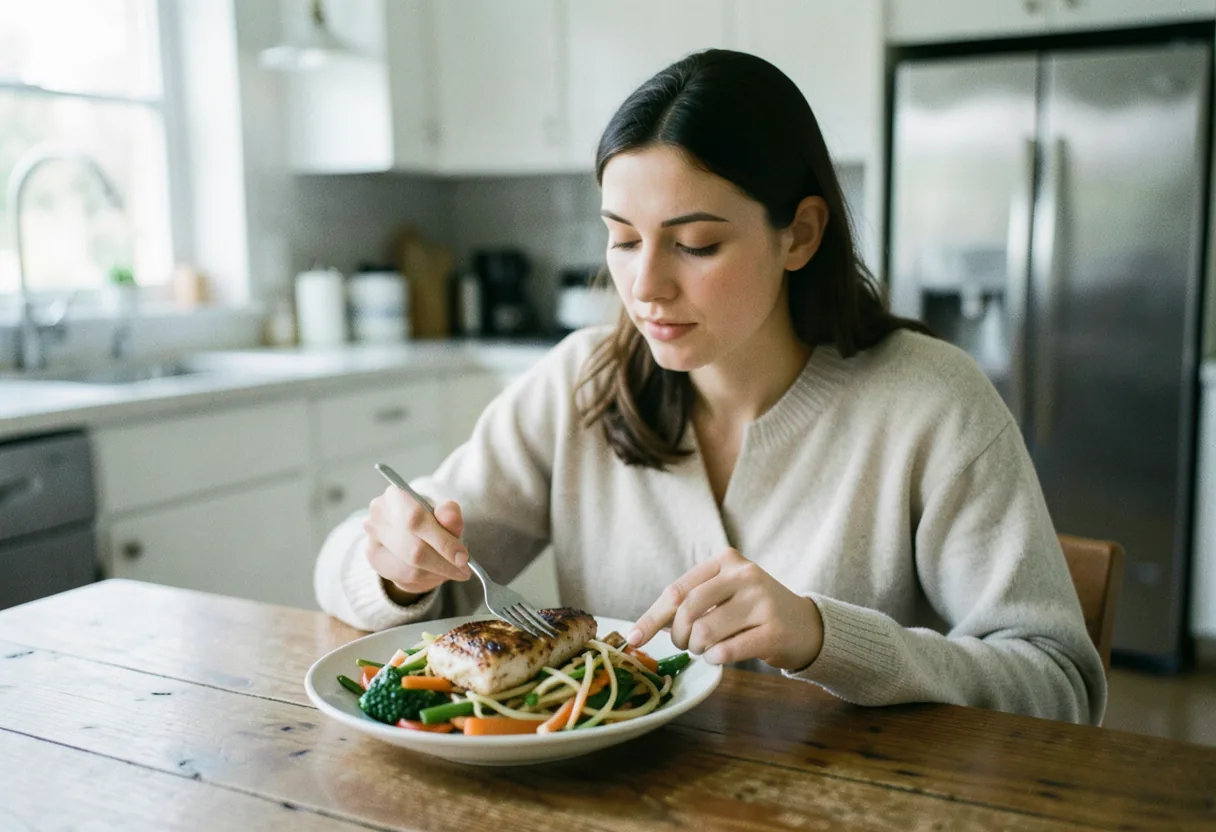
The first time I really looked at acid reflux-friendly meals, I was surprised by how many options were still flavorful and satisfying. For example, a grilled chicken breast with a side of quinoa and steamed broccoli can be both delicious and gentle on the stomach. The key is to focus on lean proteins, whole grains, and non-citrus fruits. According to the American College of Gastroenterology, foods like oatmeal, bananas, and ginger tea are particularly effective in managing symptoms.
Meal Examples
- Breakfast: Oatmeal with sliced bananas and a drizzle of honey
- Lunch: Grilled chicken salad with mixed greens, cucumber, and a light vinaigrette
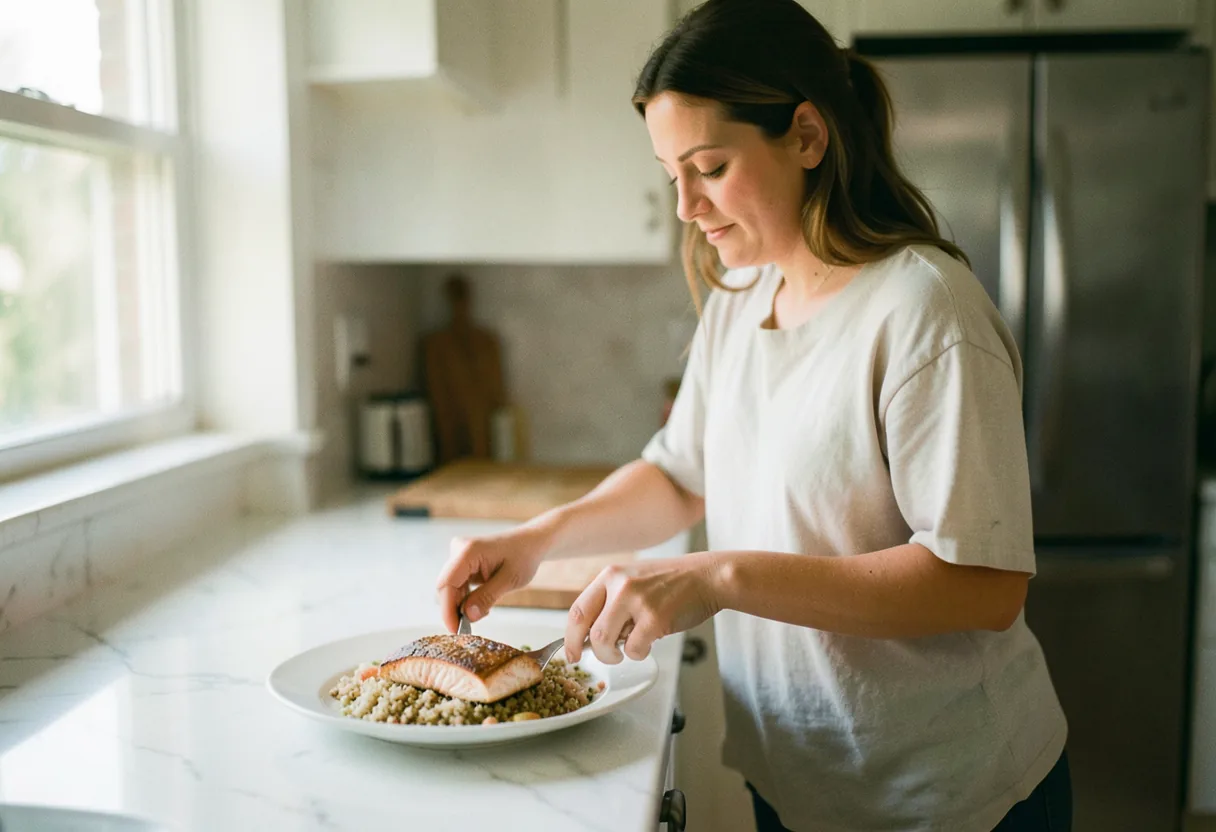
- Dinner: Baked salmon with a side of brown rice and steamed asparagus
- Snack: A small handful of almonds or a yogurt with low fat
What are the 10 worst foods for acid reflux?
Spicy foods, citrus fruits, tomatoes, chocolate, peppermint, garlic, onions, fatty foods, and caffeinated beverages rank among the 10 worst foods for acid reflux.
The short version: These are the foods that are like pouring gasoline on a fire, they exacerbate symptoms and should be avoided.
For instance, a slice of pepperoni pizza with extra cheese and a side of garlic bread is a triple threat. The tomatoes, cheese, and garlic are all common triggers. Similarly, a cup of coffee with a chocolate bar might taste great, but it can lead to significant discomfort for those with acid reflux. According to a study published in the Journal of Gastroenterology, these foods can relax the lower esophageal sphincter, allowing stomach acid to flow back into the esophagus.
Foods to Avoid
- Spicy foods: Chili, hot sauce, and spicy curries
- Citrus fruits: Oranges, lemons, and grapefruits
- Tomatoes: Tomato sauce, ketchup, and salsa
- Chocolate: Especially dark chocolate
- Peppermint: Peppermint tea and candy
- Garlic and onions: Common in many savory dishes
- Fatty foods: Fried chicken, french fries, and cream-based sauces
- Caffeinated beverages: Coffee and some teas
- Carbonated drinks: Soda and sparkling water
- Alcohol: Wine, beer, and spirits
What drink will calm acid reflux?
Drinks that can calm acid reflux include ginger tea, aloe vera juice, and non-citrus herbal teas.
At its core: These are like a cool compress for your stomach, soothing and anti-inflammatory.
Ginger tea, for example, has natural anti-inflammatory properties that can help reduce acid production. Aloe vera juice is another excellent option, as it can help soothe the esophagus. According to the National Institute of Diabetes and Digestive and Kidney Diseases, staying hydrated with water is also crucial, as it helps dilute stomach acid. Herbal teas like chamomile and licorice root can also be beneficial, as they have calming effects on the digestive system.
Recommended Drinks
- Ginger tea: Brewed from fresh ginger root
- Aloe vera juice: Diluted with water for better taste
- Non-citrus herbal teas: Chamomile, licorice root, and fennel
- Water: Room temperature or slightly cooled
What time should you eat dinner if you have acid reflux?
You should eat dinner at least 2-3 hours before bedtime if you have acid reflux.
Simply put: This is like giving your stomach a curfew, it needs time to digest before you lie down.
Lying down too soon after eating can cause stomach acid to flow back into the esophagus. According to the Mayo Clinic, eating a light dinner and avoiding heavy, fatty foods can also help. For example, a small portion of grilled fish with a side of steamed vegetables is a better choice than a large, greasy meal. Additionally, raising the head of your bed by 6-8 inches can help prevent acid from flowing back into the esophagus while you sleep.
Dinner Timing Tips
- Eat dinner 2-3 hours before bedtime: Allows time for digestion
- Avoid heavy, fatty foods: Opt for lighter, low-acid options
- Improve the head of your bed: Helps prevent acid reflux at night
- Avoid lying down immediately after eating: Stay upright to aid digestion
7-Day Meal Plan for Acid Reflux
A 7-day meal plan for acid reflux focuses on low-acid, nutrient-dense foods that are easy to digest.
Here is the gist: It’s like a week-long roadmap to keeping your stomach happy, planned meals that avoid triggers and provide balanced nutrition.
For example, Day 1 might include oatmeal with bananas for breakfast, a grilled chicken salad for lunch, and baked salmon with brown rice for dinner. Day 2 could feature whole-grain toast with avocado for breakfast, a turkey and avocado wrap for lunch, and a stir-fry with tofu and vegetables for dinner. According to the International Foundation for Gastrointestinal Disorders, this structured approach helps manage symptoms and ensures you get the necessary nutrients.
Sample 7-Day Meal Plan
| Day | Breakfast | Lunch | Dinner |
|---|---|---|---|
| Day 1 | Oatmeal with sliced bananas | Grilled chicken salad | Baked salmon with brown rice |
| Day 2 | Whole-grain toast with avocado | Turkey and avocado wrap | Tofu and vegetable stir-fry |
| Day 3 | Scrambled eggs with whole-grain toast | Quinoa salad with mixed greens | Grilled chicken with sweet potato |
| Day 4 | Greek yogurt with honey | Lentil soup with whole-grain bread | Baked cod with quinoa |
| Day 5 | Smoothie with spinach, banana, and almond milk | Turkey and cheese sandwich on whole-grain bread | Grilled shrimp with brown rice |
| Day 6 | Oatmeal with almond butter | Chickpea salad with mixed greens | Baked chicken with mashed potatoes |
| Day 7 | Whole-grain cereal with almond milk | Egg salad sandwich on whole-grain bread | Grilled fish with steamed vegetables |
7-Day GERD Diet Plan Indian
A 7-day GERD diet plan for Indian cuisine focuses on low-acid, spice-free dishes that are gentle on the stomach.
The bottom line: It’s like a spice-free journey through Indian flavors, avoiding common triggers while still enjoying the rich variety of the cuisine.
Day 1 could feature idli with coconut chutney for breakfast, moong dal khichdi for lunch, and tandoori roti with sautéed spinach for dinner. Day 2 could feature poha with peanuts for breakfast, a vegetable pulao for lunch, and a dal tadka with brown rice for dinner. According to the Indian Journal of Gastroenterology, this approach helps manage GERD symptoms while still providing a balanced diet.
Sample 7-Day Indian Meal Plan
| Day | Breakfast | Lunch | Dinner |
|---|---|---|---|
| Day 1 | Idli with coconut chutney | Moong dal khichdi | Tandoori roti with sautéed spinach |
| Day 2 | Poha with peanuts | Vegetable pulao | Dal tadka with brown rice |
| Day 3 | Upma with vegetables | Chana masala with brown rice | Baked fish with quinoa |
| Day 4 | Dalia with milk | Lauki chana dal with brown rice | Grilled chicken with sautéed vegetables |
| Day 5 | Besan chilla with mint chutney | Vegetable khichdi with brown rice | Dal palak with brown rice |
| Day 6 | Ragi dosa with coconut chutney | Moong dal with brown rice | Grilled fish with sautéed spinach |
| Day 7 | Soya bean idli with coconut chutney | Vegetable dalia with brown rice | Tandoori roti with sautéed vegetables |
GERD Meal Plan PDF
A GERD meal plan PDF provides a structured, printable guide to managing acid reflux through diet.
Plainly stated: It’s like having a cheat sheet for your kitchen, easy to follow and always at hand.
A 7-day meal plan with recipes, a list of foods to avoid, and tips for meal prepping might be included in the PDF. According to the American Gastroenterological Association, having a structured plan can help you stay on track and manage symptoms effectively. You can find these PDFs on websites like 7-Day GERD Diet Plan or through healthcare providers.
Meal-Prep Tips for Acid Reflux
Meal-prepping for acid reflux involves planning low-acid, easy-to-digest meals in advance.
To break it down: It’s like setting up a week’s worth of stomach-friendly meals, saving time and ensuring you stick to your diet.
Prepping a batch of grilled chicken breasts, quinoa, and steamed vegetables can last for the week. Store them in separate containers and mix and match throughout the week. According to the Academy of Nutrition and Dietetics, meal prepping can help you avoid impulsive, high-acid food choices. Additionally, using airtight containers and storing meals in the refrigerator or freezer can help maintain freshness.
Meal-Prep Tips
- Plan your meals: Create a weekly meal plan focusing on low-acid foods
- Batch cook: Prepare large quantities of lean proteins, whole grains, and vegetables
- Use airtight containers: Store meals in the refrigerator or freezer
- Portion control: Divide meals into individual portions for easy grab-and-go
- Stay hydrated: Keep a water bottle handy to stay hydrated throughout the day
Incorporating these strategies into your routine can help you manage acid reflux effectively while maintaining a balanced diet.
Frequently asked questions
Is 1200 calories enough for everyone?
No, 1200 calories may not suit everyone. It’s often a baseline for small women or sedentary individuals. Active people or larger bodies need more. Always consult a dietitian to tailor calorie needs to your metabolism, activity level, and health goals.
What are common mistakes on a 1200-calorie diet?
Cutting calories too drastically can backfire. Skipping protein or fiber leads to hunger and muscle loss. Nutrient deficiencies arise if you avoid fruits, vegetables, or whole grains. Track food to ensure balanced intake and avoid empty calories.
Can I lose weight eating 1200 calories daily?
Yes, if you burn more than you consume. For most, this creates a deficit. However, rapid weight loss isn’t sustainable. Pair it with strength training to preserve muscle. Monitor progress and adjust calories as needed to avoid plateaus.
How do I structure meals on 1200 calories?
Prioritize protein and fiber to stay full. Example: 2 scrambled eggs, 1 slice whole-grain toast, and a small apple for breakfast. Lunch could be 3 oz grilled chicken, 1/2 cup quinoa, and steamed broccoli. Snack on Greek yogurt. Dinner: 4 oz salmon, 1 cup roasted veggies, and 1/2 cup brown rice.