
Laura Sherman · on 18 July 2026 · 8 min read · Last reviewed 18 July 2026
10 food rich in protein are nutrient-dense foods that provide essential amino acids for muscle repair, immune function, and overall health, and that are also low in fat and acids to avoid triggering acid reflux.
In plain terms: think of protein as the building blocks of your body, like bricks for a house, but you need the right kind of bricks that won’t crack under pressure or cause damage.
Key facts
- Protein should make up about 10-35% of your daily calorie intake, according to the Institute of Medicine.
- Animal-based proteins are complete, meaning they contain all essential amino acids, while plant-based proteins are often incomplete and need to be combined.
- The recommended daily allowance (RDA) for protein is 0.8 grams per kilogram of body weight for the average adult.
- Protein-rich foods can help manage acid reflux by promoting stable stomach pH and reducing the need for high-fat, acidic foods.
What are the 10 food rich in protein that are also acid reflux-friendly?
Here are 10 foods that are high in protein and low in acid and fat, making them ideal for an acid reflux diet menu.
- Chicken breast: A 3-ounce serving contains about 26 grams of protein and is low in fat, especially if skinless. It’s a versatile option for grilled, baked, or stir-fried dishes.
- Turkey breast: Similar to chicken, turkey breast offers around 24 grams of protein per 3-ounce serving and is lean, reducing the risk of reflux triggers.
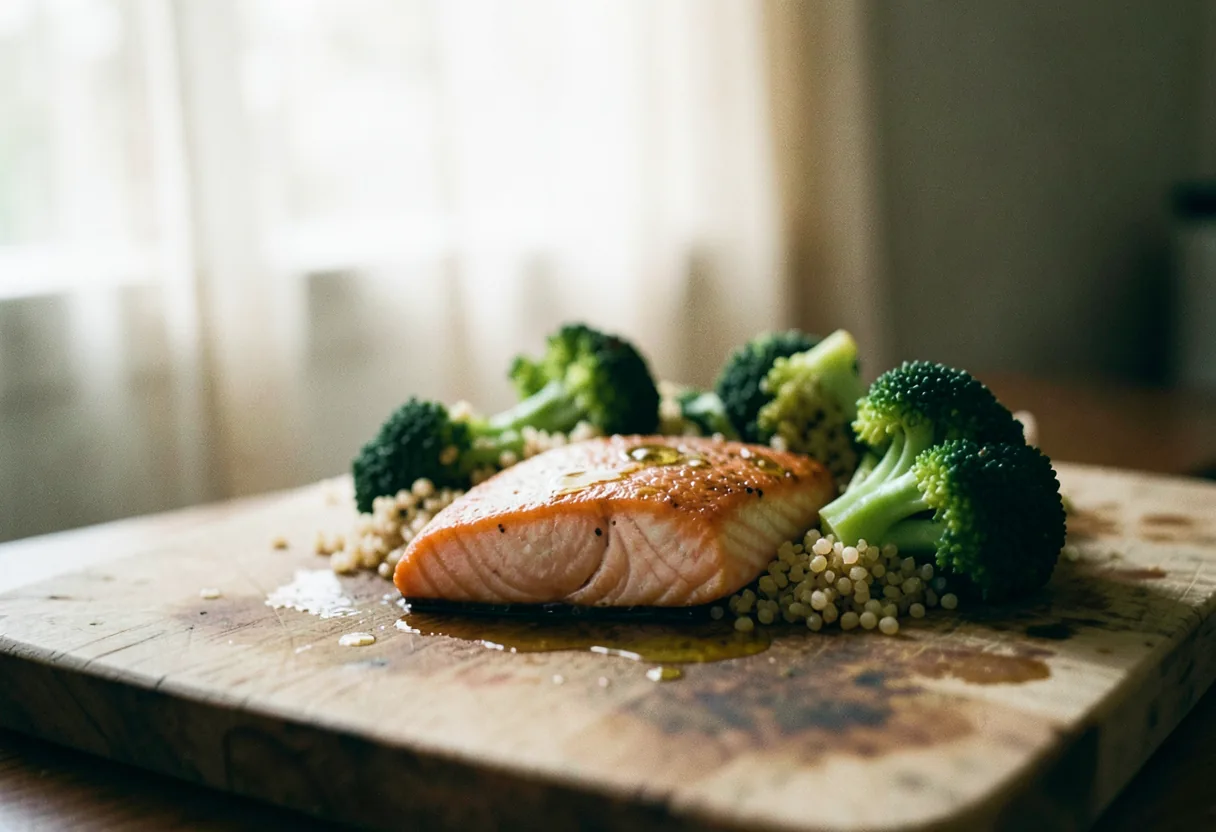
- Salmon: Rich in omega-3 fatty acids, salmon provides about 22 grams of protein per 3-ounce serving. It’s also anti-inflammatory, which can help soothe the digestive tract.
- Tuna: Packed with 25 grams of protein per 3-ounce serving, tuna is a great option for salads or sandwiches. Opt for fresh or water-packed tuna to avoid added acids.
- Egg whites: With about 3.6 grams of protein per large egg white, they are a low-fat, high-protein choice. Avoid the yolks if you’re sensitive to dietary fats.
- Greek yogurt: A 6-ounce serving contains around 17 grams of protein and probiotics, which can support gut health and reduce reflux symptoms.
- Cottage cheese: Offering about 14 grams of protein per half-cup serving, cottage cheese is mild and easy to digest, making it a good option for those with acid reflux.
- Lentils: A cup of cooked lentils provides around 18 grams of protein and is a great plant-based option. They are also high in fiber, which can aid digestion.
- Quinoa: This ancient grain contains about 8 grams of protein per cup and is a complete protein, making it a great choice for vegans and those with acid reflux.
- Tofu: A 3-ounce serving of tofu offers about 8 grams of protein and is versatile in cooking. It’s also low in fat and can be seasoned to suit various tastes.
In my experience, pairing Greek yogurt with a handful of berries can make for a soothing, protein-rich snack.
What is the best meal for acid reflux?
For acid reflux, the best meals are those that are low in fat, not spicy, and avoid common triggers like citrus, tomatoes, and chocolate. Here’s a simple, protein-rich meal plan that aligns with an acid reflux diet menu.
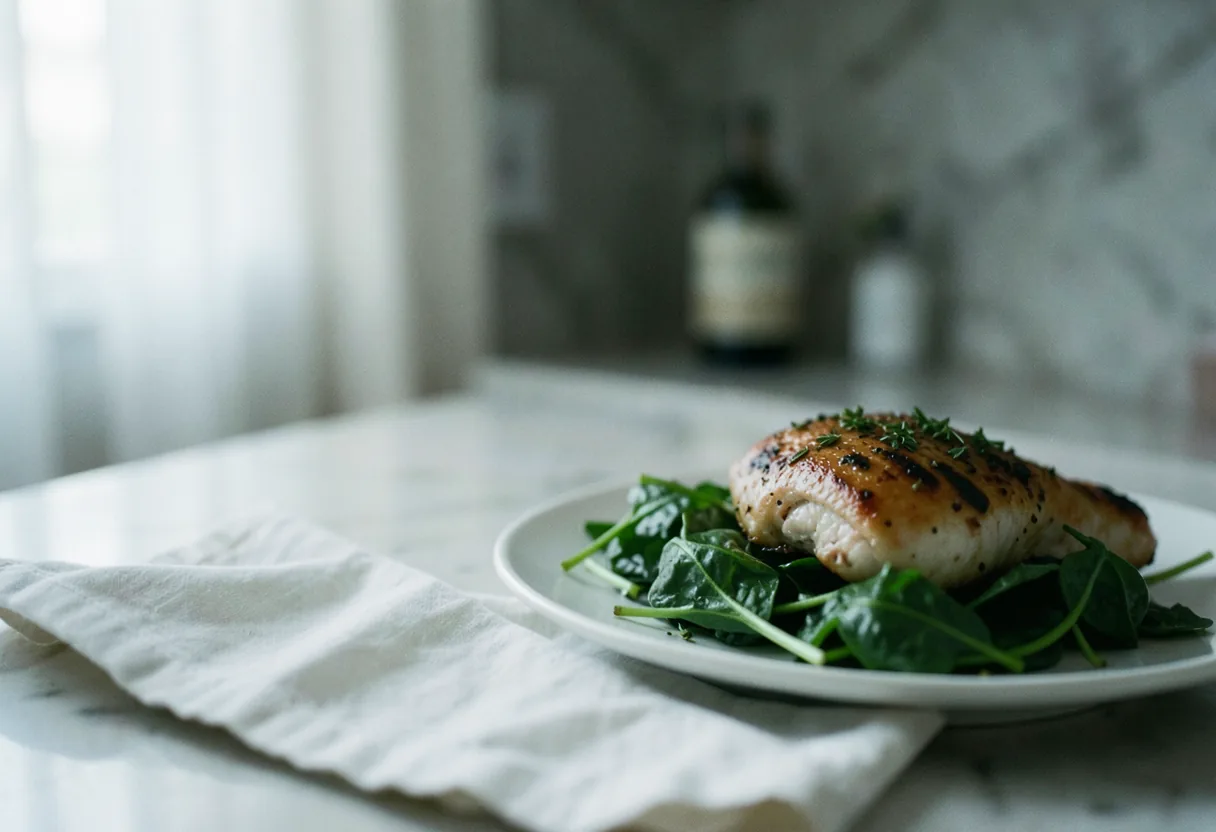
- Start with a grilled chicken breast seasoned with herbs like basil or oregano, served with a side of steamed zucchini (see Meal with Zucchini).
- Add a small portion of quinoa or brown rice to provide fiber and complete the meal.
- Finish with a cup of chamomile tea, which can help soothe the digestive system.
What are the 10 worst foods for acid reflux?
Certain foods can exacerbate acid reflux symptoms by increasing stomach acid production or relaxing the lower esophageal sphincter. Here are ten foods to avoid if you have acid reflux.
- Spicy foods: Dishes with chili peppers or hot sauces can irritate the esophagus and trigger reflux.
- Citrus fruits: Oranges, lemons, and grapefruits are highly acidic and can worsen symptoms.
- Tomatoes: While nutritious, tomatoes are acidic and can cause discomfort for those with acid reflux.
- Chocolate: Contains compounds that can relax the lower esophageal sphincter, allowing acid to flow back into the esophagus.
- Fried foods: High in fat, fried foods can delay stomach emptying and increase pressure on the lower esophageal sphincter.
- Garlic and onions: These can irritate the esophagus and increase acid production.
- Carbonated beverages: Sodas and sparkling water can cause bloating and increase pressure on the stomach.
- Alcohol: Can relax the lower esophageal sphincter and increase stomach acid production.
- Caffeine: Found in coffee, tea, and some sodas, caffeine can trigger reflux symptoms.
- Mint: Peppermint and spearmint can relax the lower esophageal sphincter, allowing acid to flow back into the esophagus.
What drink will calm acid reflux?
Certain drinks can help neutralize stomach acid and soothe the digestive system. Here are some of the best options.
- Ginger tea: Ginger has natural anti-inflammatory properties and can help reduce nausea and acid reflux symptoms.
- Chamomile tea: Known for its calming effects, chamomile tea can help soothe the digestive tract and reduce acid reflux.
- Almond milk: A low-acid, non-dairy alternative that is gentle on the stomach and provides essential nutrients.
- Aloe vera juice: Contains compounds that can help reduce inflammation and soothe the digestive system.
- Cabbage juice: Rich in vitamins and antioxidants, cabbage juice can help heal the esophagus and reduce acid reflux symptoms.
What time should you eat dinner if you have acid reflux?
Timing your meals can significantly impact acid reflux symptoms. Here are some guidelines to follow.
You should eat dinner at least 2-3 hours before lying down to allow your stomach to empty and reduce the risk of acid reflux. Lying down too soon after eating can cause stomach acid to flow back into the esophagus, leading to discomfort and heartburn.
Additionally, eating smaller, more frequent meals throughout the day can help manage acid reflux symptoms better than large, heavy meals. This approach keeps the stomach from becoming too full and reduces pressure on the lower esophageal sphincter.
7-day meal plan for acid reflux
Creating a 7-day meal plan for acid reflux involves choosing foods that are low in fat, not spicy, and avoid common triggers. Here’s a sample plan to get you started.
Day 1
- Breakfast: Oatmeal with almond milk, topped with sliced bananas.
- Lunch: Grilled chicken salad with mixed greens, cucumber, and a light vinaigrette.
- Dinner: Baked salmon with a side of steamed broccoli and quinoa.
Day 2
- Breakfast: Scrambled egg whites with a side of whole-grain toast.
- Lunch: Turkey and avocado wrap on whole-grain tortilla.
- Dinner: Stir-fried tofu with mixed vegetables and brown rice.
Day 3
- Breakfast: Greek yogurt with honey and a handful of blueberries.
- Lunch: Quinoa salad with chickpeas, cucumber, and a light dressing.
- Dinner: Grilled chicken breast with a side of mashed sweet potatoes.
Meal-Prep Tips
- Prepare meals in advance to save time and ensure you have healthy options on hand.
- Use airtight containers to store meals in the refrigerator for up to 3 days.
- Batch-cook proteins like chicken, turkey, and tofu to use in various meals throughout the week.
- Keep a variety of low-acid, high-protein snacks like nuts, seeds, and cottage cheese.
Day 4
- Breakfast: Smoothie with almond milk, spinach, banana, and a scoop of protein powder.
- Lunch: Lentil soup with a side of whole-grain bread.
- Dinner: Baked cod with a side of steamed green beans and brown rice.
Day 5
- Breakfast: Whole-grain cereal with almond milk and sliced strawberries.
- Lunch: Grilled shrimp salad with mixed greens, cucumber, and a light vinaigrette.
- Dinner: Stir-fried vegetables with tofu and quinoa.
Day 6
- Breakfast: Cottage cheese with sliced peaches and a sprinkle of cinnamon.
- Lunch: Chicken and vegetable stir-fry with brown rice.
- Dinner: Baked turkey breast with a side of mashed cauliflower.
Day 7
- Breakfast: Avocado toast on whole-grain bread with a side of scrambled egg whites.
- Lunch: Quinoa salad with mixed vegetables and a light dressing.
- Dinner: Grilled salmon with a side of steamed asparagus and quinoa.
Acid reflux dinner recipes
Creating acid reflux-friendly dinner recipes involves choosing ingredients that are low in fat, not spicy, and avoid common triggers. Here are a few simple and delicious recipes to try.
Grilled Chicken with Steamed Vegetables
- Marinate chicken breast in olive oil, lemon juice (if tolerated), garlic, and herbs like basil or oregano.
- Grill the chicken until fully cooked, about 6-8 minutes per side.
- Steam a variety of vegetables like zucchini, carrots, and broccoli until tender.
- Serve the grilled chicken with the steamed vegetables and a side of quinoa or brown rice.
Baked Salmon with Mashed Sweet Potatoes
- Season salmon fillets with salt, pepper, and a drizzle of olive oil.
- Bake the salmon at 375°F (190°C) for about 12-15 minutes or until fully cooked.
- Boil sweet potatoes until tender, then mash with a bit of almond milk and a pinch of cinnamon.
- Serve the baked salmon with a side of mashed sweet potatoes and steamed green beans.
Tofu Stir-Fry with Brown Rice
- Cut tofu into cubes and stir-fry in a small amount of olive oil until golden brown.
- Add a variety of vegetables like bell peppers, carrots, and snap peas to the stir-fry.
- Season with low-sodium soy sauce, garlic, and ginger.
- Serve the tofu stir-fry over a bed of brown rice.
Takeaway
Incorporating protein-rich, acid reflux-friendly foods into your diet can help manage symptoms and promote overall health. By choosing the right ingredients and following a structured meal plan, you can enjoy delicious and nutritious meals without triggering discomfort. Always consult with a healthcare provider or a dietitian to tailor a plan that suits your specific needs.
Frequently asked questions
Which food contains the most protein per gram?
Lean beef tops the list with about 26 grams of protein per 100 grams. It's also packed with iron, zinc, and B vitamins. Chicken breast follows closely with 31 grams per 100 grams, but it has fewer calories and fat.
Can plant-based foods provide complete proteins?
Yes. Quinoa is a complete protein, offering all nine essential amino acids. Lentils and chickpeas also pack a protein punch, around 9 and 19 grams per 100 grams, respectively. Combine them with grains for a complete amino acid profile.
How does Greek yogurt compare to regular yogurt in protein content?
Greek yogurt is strained, removing liquid and leaving a thicker, protein-dense product. It contains about 10 grams of protein per 100 grams, while regular yogurt has around 5-7 grams. Choose plain, unsweetened varieties for maximum benefits.
Are eggs really one of the best protein sources?
Absolutely. A single large egg provides 6 grams of high-quality protein. Egg whites are almost pure protein, with 3.6 grams per white. The yolk contains healthy fats and additional nutrients, making the whole egg a nutritional powerhouse.