
Laura Sherman · on 18 July 2026 · 14 min read · Last reviewed 18 July 2026
1400 calories a day to lose weight is a moderate-calorie diet plan designed to create a daily calorie deficit, helping you shed excess pounds while maintaining essential nutrients.
In plain terms: Think of it like a balanced scale: 1400 calories a day is like removing a few small weights to tip the scale toward weight loss, but keeping enough weights to fuel your body’s engine.
Key facts
- 1400 calories a day can help you lose 1-2 pounds per week, according to the American Heart Association.
- This calorie level is suitable for sedentary women or small active men aiming to lose weight.
- A 1400-calorie diet should include a balance of lean proteins, whole grains, healthy fats, and plenty of fruits and vegetables.
- It’s essential to consult with a healthcare provider or a registered dietitian before starting any weight loss plan.
What is the best meal for acid reflux?
The best meal for acid reflux is one that is low in fat, not spicy, and avoids common triggers like citrus, tomatoes, and chocolate.
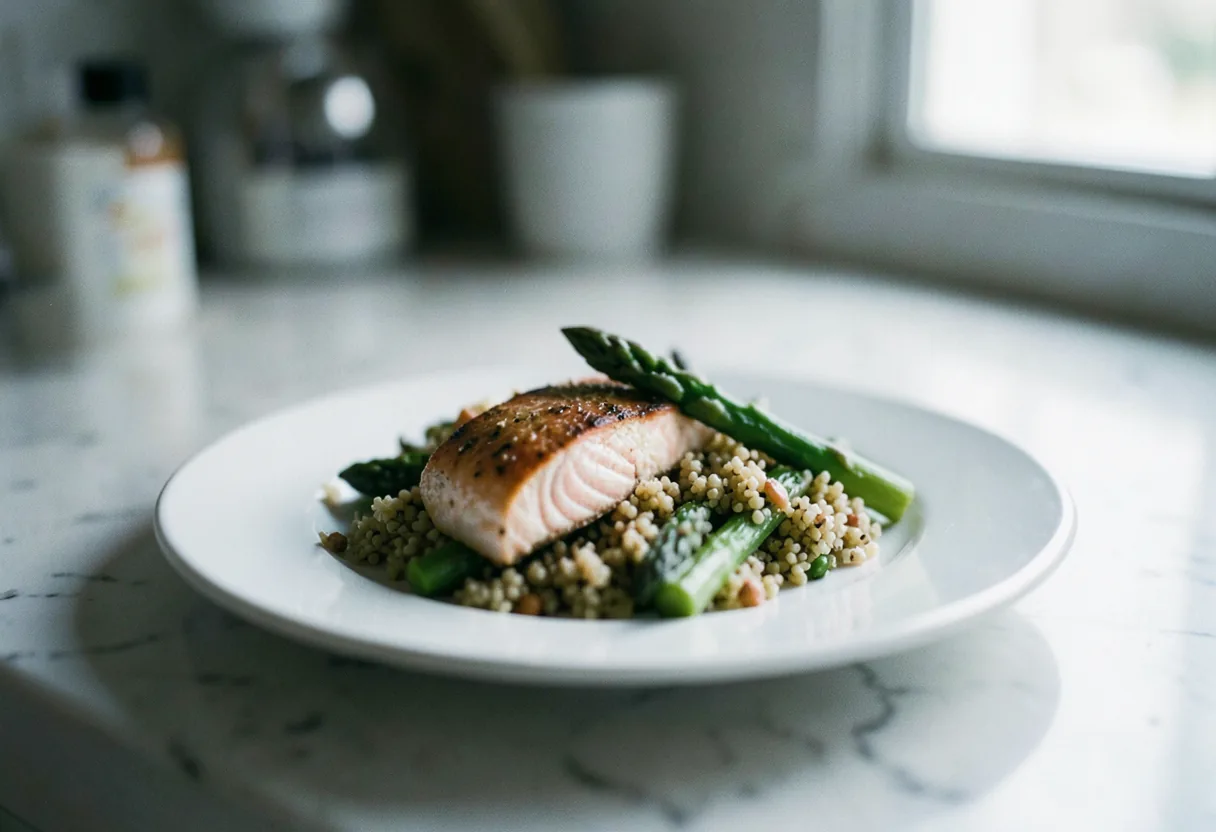
To do this, focus on lean proteins such as grilled chicken or fish, paired with complex carbohydrates like brown rice or quinoa, and steamed vegetables like broccoli or spinach. A simple example is baked salmon with a side of sweet potato and green beans. The salmon provides omega-3 fatty acids, which can help reduce inflammation, while the sweet potato is a low-acid complex carbohydrate.
Incorporate foods that are known to neutralize stomach acid, such as oatmeal, ginger, and non-citrus fruits like bananas and melons. Oatmeal, for instance, can absorb stomach acid and provide a soothing effect. Remember, portion control is crucial; eating too much at once can exacerbate acid reflux symptoms.
What are the 10 worst foods for acid reflux?
The 10 worst foods for acid reflux are those that are high in fat, spicy, or acidic, as they can relax the lower esophageal sphincter or increase stomach acid production.
Topping the list are fried foods like French fries and onion rings, which are high in fat and can delay stomach emptying. Spicy foods containing chili peppers or black pepper can irritate the esophagus. Citrus fruits like oranges and lemons, as well as tomatoes and tomato-based products, are highly acidic and can trigger reflux. Chocolate contains methylxanthine, a compound that can relax the lower esophageal sphincter. Other culprits include garlic and onions, which can increase stomach acid production, and carbonated beverages, which can expand the stomach and increase pressure.
Processed snacks like potato chips and fast food, which often contain high levels of fat and salt, can also worsen acid reflux. Alcohol, particularly red wine, can relax the lower esophageal sphincter and increase stomach acid. Finally, mint, found in many teas and desserts, can relax the lower esophageal sphincter and should be avoided.
What drink will calm acid reflux?
Ginger tea is the best drink to calm acid reflux, as ginger has natural anti-inflammatory properties and can help soothe the digestive system.
Other good options include aloe vera juice, which can help reduce inflammation and heal the esophagus, and non-citrus herbal teas like chamomile or licorice root tea, which can have a calming effect on the stomach. According to the International Foundation for Gastrointestinal Disorders, cold milk can also provide temporary relief by coating the esophagus and neutralizing stomach acid. However, avoid high-fat milks, as fat can delay stomach emptying and worsen reflux.
Stay hydrated with still water, as carbonated water can expand the stomach and increase pressure. Avoid beverages that are known to trigger acid reflux, such as coffee, alcohol, and citrus juices. If you’re looking for a warm, soothing drink, try a cup of licorice root tea, which has been shown to increase mucus production and protect the esophageal lining.
What time should you eat dinner if you have acid reflux?
Eating dinner at least 2-3 hours before lying down to sleep is the best time if you have acid reflux, as this allows your stomach to empty and reduces the risk of acid reflux.
Eating late at night can increase the likelihood of acid reflux, as lying down with a full stomach can cause stomach acid to flow back into the esophagus. To minimize acid reflux symptoms, aim to finish your last meal or snack of the day at least 2-3 hours before bedtime. This gives your stomach enough time to empty and reduces the pressure on the lower esophageal sphincter.
If you find yourself hungry before bed, opt for a small, low-fat snack like a banana or a small bowl of oatmeal. These foods are less likely to trigger acid reflux and can help tide you over until morning. Additionally, try to avoid eating large or heavy meals in the evening, as these can take longer to digest and increase the risk of acid reflux.
7-day meal plan for acid reflux
A 7-day meal plan for acid reflux focuses on low-fat, non-spicy, and non-acidic foods that are gentle on the digestive system.
Oatmeal topped with sliced banana and a drizzle of honey makes a perfect breakfast to begin your day. For lunch, enjoy grilled chicken with a side of brown rice and steamed green beans. Snack on a small handful of almonds or a slice of whole-grain toast with a thin layer of almond butter. For dinner, have baked salmon with a side of quinoa and steamed spinach. Throughout the day, stay hydrated with still water and herbal teas like chamomile or ginger.
On day 2, begin with a breakfast of whole-grain toast with avocado and a poached egg. For lunch, have turkey breast with a side of sweet potato and steamed carrots. Snack on a small apple with a tablespoon of peanut butter. For dinner, enjoy grilled shrimp with a side of brown rice and steamed broccoli. Continue to hydrate with still water and herbal teas.
What foods neutralize stomach acid immediately?
Foods that neutralize stomach acid immediately include oatmeal, ginger, and non-citrus fruits like bananas and melons.
Oatmeal, for instance, can absorb stomach acid and provide a soothing effect on the digestive system. Ginger has natural anti-inflammatory properties and can help calm the stomach. Non-citrus fruits like bananas and melons are low in acid and can help neutralize stomach acid. Other foods that can help neutralize stomach acid include aloe vera, which has been shown to reduce inflammation and heal the esophagus, and fennel, which can help relax the muscles of the digestive tract and reduce acid reflux symptoms.
Incorporate these foods into your meals and snacks throughout the day to help manage acid reflux symptoms. For example, start your day with a bowl of oatmeal topped with sliced banana, or enjoy a ginger tea between meals to help soothe your stomach. Remember, portion control is crucial, as eating too much at once can exacerbate acid reflux symptoms.
Acid reflux dinner recipes
Acid reflux dinner recipes focus on low-fat, non-spicy, and non-acidic ingredients that are gentle on the digestive system.
One simple recipe is baked lemon herb chicken with a side of quinoa and steamed green beans. To prepare, mix olive oil, lemon juice, garlic, and herbs like thyme and rosemary, and coat the chicken breasts. Bake at 375°F (190°C) for 25-30 minutes or until cooked through. Serve with a side of quinoa and steamed green beans for a balanced, acid-reflux-friendly meal. Another option is grilled salmon with a side of sweet potato and steamed spinach. Season the salmon with a mixture of olive oil, honey, and Dijon mustard, and grill for 6-8 minutes on each side. Serve with a side of sweet potato and steamed spinach for a nutritious and delicious dinner.
For a vegetarian option, try a lentil and vegetable stew with a side of brown rice. Sauté onions, carrots, and celery in olive oil, then add lentils, diced tomatoes, and vegetable broth. Simmer for 25-30 minutes or until the lentils are tender. Serve with a side of brown rice for a hearty and satisfying meal. Remember to avoid common acid reflux triggers like spicy foods, citrus, and tomatoes in your dinner recipes.
List of foods to eat with acid reflux
Lean proteins, complex carbohydrates, and non-acidic fruits and vegetables top the list of foods to eat with acid reflux.
Lean proteins like grilled chicken, fish, and tofu are low in fat and easy to digest, making them ideal for managing acid reflux symptoms. Complex carbohydrates like brown rice, quinoa, and whole-grain bread provide sustained energy and are less likely to trigger acid reflux than simple carbohydrates. Non-acidic fruits and vegetables like bananas, melons, broccoli, and spinach are gentle on the digestive system and can help neutralize stomach acid.
Other foods to incorporate into your acid reflux diet include oatmeal, ginger, aloe vera, and fennel. Oatmeal can absorb stomach acid and provide a soothing effect, while ginger has natural anti-inflammatory properties. Aloe vera has been shown to reduce inflammation and heal the esophagus, and fennel can help relax the muscles of the digestive tract and reduce acid reflux symptoms. Incorporate these foods into your meals and snacks throughout the day to help manage acid reflux symptoms.
GERD meal plan PDF
A GERD meal plan PDF is a downloadable resource that provides a structured eating plan designed to manage acid reflux symptoms.
These meal plans typically include a 7-day schedule with specific meals and snacks, as well as a list of foods to eat and avoid. They may also include recipes, meal-prep tips, and educational information about GERD and acid reflux. One example is the GERD meal plan The International Foundation for Gastrointestinal Disorders offers advice on managing GERD symptoms through diet. To find a GERD meal plan PDF, search for reputable sources such as medical websites, nonprofit organizations, or registered dietitians specializing in digestive health.
When choosing a GERD meal plan PDF, look for one that is tailored to your specific needs and preferences. Consider factors like your daily calorie requirements, food allergies or intolerances, and any other health conditions you may have. A personalized meal plan can help you better manage your acid reflux symptoms and improve your overall quality of life. Always consult with a healthcare provider or a registered dietitian before starting any new meal plan.
Meal-Prep Tips
Meal-prep tips for an acid reflux diet focus on planning and preparing meals in advance to ensure you have healthy, acid-reflux-friendly options on hand.
Start by creating a weekly meal plan that includes a variety of lean proteins, complex carbohydrates, and non-acidic fruits and vegetables. Batch-cook meals like grilled chicken, baked salmon, and lentil stew, and store them in the refrigerator or freezer for easy access throughout the week. Prepare snacks like sliced fruits, nuts, and whole-grain crackers to have on hand when hunger strikes. Invest in airtight containers to keep your meals fresh and organized. Use a meal-prep service or app to help you plan and track your meals, such as Mealime, which offers customizable meal plans and grocery lists.
When meal prepping, be mindful of portion sizes to avoid overeating, which can exacerbate acid reflux symptoms. Opt for smaller, more frequent meals throughout the day to keep your stomach from becoming too full. Stay hydrated by drinking still water and herbal teas throughout the day. Finally, always consult with a healthcare provider or a registered dietitian before starting any new meal plan.
Day 1
Day 1 of an acid reflux meal plan focuses on introducing low-fat, non-spicy, and non-acidic foods that are gentle on the digestive system.
Start your day with a breakfast of oatmeal topped with sliced banana and a drizzle of honey. For lunch, enjoy grilled chicken with a side of brown rice and steamed green beans. Snack on a small handful of almonds or a slice of whole-grain toast with a thin layer of almond butter. For dinner, have baked salmon with a side of quinoa and steamed spinach. Throughout the day, stay hydrated with still water and herbal teas like chamomile or ginger.
This meal plan provides a balance of lean proteins, complex carbohydrates, and non-acidic fruits and vegetables to help manage acid reflux symptoms. The grilled chicken and baked salmon provide lean protein, while the brown rice, quinoa, and whole-grain toast provide complex carbohydrates. The sliced banana, almonds, and steamed green beans and spinach provide non-acidic fruits and vegetables. Staying hydrated with still water and herbal teas can help soothe the digestive system and reduce acid reflux symptoms.
Day 2
Day 2 of an acid reflux meal plan continues to focus on low-fat, non-spicy, and non-acidic foods.
Begin with a breakfast of whole-grain toast with avocado and a poached egg. For lunch, have turkey breast with a side of sweet potato and steamed carrots. Snack on a small apple with a tablespoon of peanut butter. For dinner, enjoy grilled shrimp with a side of brown rice and steamed broccoli. Continue to hydrate with still water and herbal teas.
This meal plan provides a variety of lean proteins, complex carbohydrates, and non-acidic fruits and vegetables to help manage acid reflux symptoms. The turkey breast and grilled shrimp provide lean protein, while the sweet potato, brown rice, and whole-grain toast provide complex carbohydrates. The avocado, apple, and steamed carrots and broccoli provide non-acidic fruits and vegetables. Staying hydrated with still water and herbal teas can help soothe the digestive system and reduce acid reflux symptoms.
Day 3
Introducing new acid-reflux-friendly foods and recipes, day 3 of an acid reflux meal plan begins.
Greek yogurt topped with sliced melon and a sprinkle of chia seeds makes a perfect breakfast to begin your day. For lunch, enjoy a lentil and vegetable stew with a side of brown rice. Snack on a small handful of walnuts or a slice of whole-grain toast with a thin layer of hummus. For dinner, have baked cod with a side of quinoa and steamed asparagus. Throughout the day, stay hydrated with still water and herbal teas like chamomile or licorice root.
Offering a variety of lean proteins, complex carbohydrates, and non-acidic fruits and vegetables, this meal plan helps manage acid reflux symptoms. The Greek yogurt and baked cod provide lean protein, while the brown rice, quinoa, and whole-grain toast provide complex carbohydrates. The sliced melon, lentils, and steamed asparagus provide non-acidic fruits and vegetables. Staying hydrated with still water and herbal teas can help soothe the digestive system and reduce acid reflux symptoms.
Day 4
Continuing the focus on low-fat, non-spicy, and non-acidic foods, day 4 of an acid reflux meal plan.
Begin with a breakfast of smoothie made with almond milk, banana, and spinach. For lunch, have grilled chicken with a side of sweet potato and steamed green beans. Snack on a small pear with a tablespoon of almond butter. For dinner, enjoy baked tilapia with a side of brown rice and steamed broccoli. Continue to hydrate with still water and herbal teas.
Offering a variety of lean proteins, complex carbohydrates, and non-acidic fruits and vegetables, this meal plan helps manage acid reflux symptoms. The grilled chicken and baked tilapia provide lean protein, while the sweet potato, brown rice, and whole-grain toast provide complex carbohydrates. The banana, pear, and steamed green beans and broccoli provide non-acidic fruits and vegetables. Staying hydrated with still water and herbal teas can help soothe the digestive system and reduce acid reflux symptoms.
Day 5
Introducing new acid-reflux-friendly foods and recipes, the acid reflux meal plan reaches day 5.
Topping oatmeal with sliced apple and a sprinkle of cinnamon makes a great breakfast to begin your day. For lunch, enjoy turkey breast with a side of quinoa and steamed carrots. Snack on a small handful of pistachios or a slice of whole-grain toast with a thin layer of avocado. For dinner, have baked salmon with a side of brown rice and steamed spinach. Throughout the day, stay hydrated with still water and herbal teas like chamomile or ginger.
Including a variety of lean proteins, complex carbohydrates, and non-acidic fruits and vegetables, this meal plan helps manage acid reflux symptoms. The turkey breast and baked salmon provide lean protein, while the quinoa, brown rice, and whole-grain toast provide complex carbohydrates. The sliced apple, pistachios, and steamed carrots and spinach provide non-acidic fruits and vegetables. Staying hydrated with still water and herbal teas can help soothe the digestive system and reduce acid reflux symptoms.
Day 6
Choosing low-fat, non-spicy, and non-acidic foods remains the focus on day six of an acid reflux meal plan.
A breakfast of Greek yogurt topped with sliced banana and a sprinkle of flaxseeds starts your day. For lunch, have grilled chicken with a side of sweet potato and steamed green beans. Snack on a small handful of almonds or a slice of whole-grain toast with a thin layer of hummus. For dinner, enjoy baked cod with a side of quinoa and steamed asparagus. Continue to hydrate with still water and herbal teas.
This meal plan provides a variety of lean proteins, complex carbohydrates, and non-acidic fruits and vegetables to help manage acid reflux symptoms. The grilled chicken and baked cod provide lean protein, while the sweet potato, quinoa, and whole-grain toast provide complex carbohydrates. The banana, almonds, and steamed green beans and asparagus provide non-ac
Frequently asked questions
Is 1400 calories a day safe for everyone?
Not universally. Safety depends on age, sex, and activity level. A sedentary 30-year-old woman might find it appropriate, but an active 25-year-old man would likely need more. Consult a dietitian to tailor calorie needs. Extreme deficits can backfire, causing muscle loss and metabolic slowdown.
What happens if I eat 1400 calories but don’t lose weight?
Plateaus occur. Factors like water retention, hormonal changes, or underestimating portion sizes can stall progress. Track food meticulously, monitor non-scale victories (energy, sleep), and reassess activity levels. Sometimes, recalibrating calorie intake or adjusting macros helps.
Can I eat 1400 calories and still meet nutrient needs?
Yes, with planning. Focus on nutrient-dense foods: leafy greens, lean proteins, whole grains, and healthy fats. A 1400-calorie diet with 50g protein, 30g fiber, and balanced vitamins/minerals is achievable. Supplements like vitamin D or omega-3s might fill gaps.
Will I lose muscle on a 1400-calorie diet?
Possible, but not inevitable. Preserve muscle by prioritizing protein (0.7-1g per pound of body weight) and strength training. Without resistance exercise, the body may break down muscle for energy. Pair dieting with progressive overload workouts to mitigate loss.