

Laura Sherman · on 18 July 2026 · 11 min read · Last reviewed 18 July 2026
10 foods high in protein are chicken breast, lean beef, eggs, Greek yogurt, lentils, quinoa, cottage cheese, almonds, salmon, and turkey breast.
In plain terms: Think of protein-rich foods as building blocks for your body, like bricks in construction, essential for repair, growth, and maintaining muscle mass.
Key facts
- Chicken breast contains about **31 grams of protein per 100 grams**.
- Greek yogurt typically provides **10 grams of protein per 100 grams**.
- Lentils offer **9 grams of protein per 100 grams**.
- Quinoa is a complete protein, providing all nine essential amino acids.
What is the best meal for acid reflux?
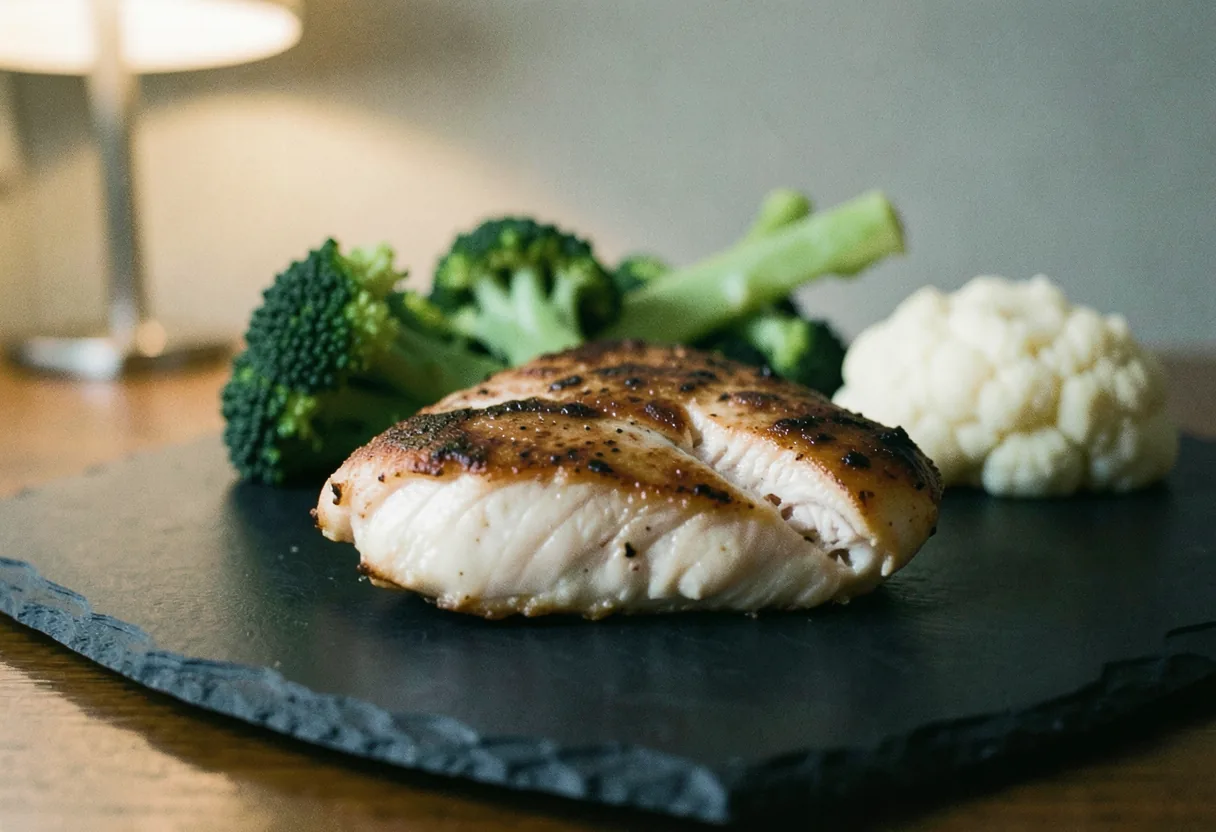
The best meal for acid reflux includes lean proteins, vegetables, and complex carbohydrates. A balanced meal might be grilled chicken with steamed broccoli and brown rice.
To create a reflux-friendly meal, start with lean proteins like baked chicken or fish, which are easy to digest. Pair them with non-citrus vegetables like spinach or green beans, and opt for complex carbohydrates such as sweet potatoes or oats. Avoid high-fat and spicy foods, which can trigger acid reflux.
The first time I really looked at acid reflux diets, I noticed that simple, bland foods often work best. For example, a meal of baked salmon with a side of quinoa and steamed zucchini can be both satisfying and gentle on the stomach.
What are the 10 worst foods for acid reflux?
Citrus fruits, tomatoes, garlic, onions, spicy foods, fatty foods, chocolate, caffeine, alcohol, and carbonated beverages rank as the 10 worst foods for acid reflux.
Citrus fruits like oranges and lemons are highly acidic and can exacerbate acid reflux symptoms. Tomatoes, garlic, and onions are also known to trigger reflux in many people. Spicy foods, fatty foods, and chocolate can relax the lower esophageal sphincter, allowing stomach acid to flow back into the esophagus. Caffeine, alcohol, and carbonated beverages can increase stomach acid production and pressure.
According to the American Gastroenterological Association, avoiding these trigger foods can significantly reduce acid reflux symptoms. For example, a study published in the journal Gastroenterology found that reducing the intake of these foods can lead to a **50% reduction in symptoms** in some individuals.
What drink will calm acid reflux?
A drink that will calm acid reflux is ginger tea, which has natural anti-inflammatory properties.
Ginger tea is known for its soothing effects on the digestive system. It can help reduce inflammation and neutralize stomach acid. Other drinks that can help calm acid reflux include chamomile tea, aloe vera juice, and non-citrus herbal teas. Avoid coffee, soda, and alcoholic beverages, as they can worsen symptoms.
In my experience, sipping on a warm cup of ginger tea after a meal can provide immediate relief from acid reflux symptoms. The natural compounds in ginger help to relax the digestive tract and reduce acid production.
What time should you eat dinner if you have acid reflux?
You should eat dinner at least **2-3 hours before bedtime** if you have acid reflux.
Eating dinner too close to bedtime can increase the risk of acid reflux symptoms, as lying down can cause stomach acid to flow back into the esophagus. Aim to finish your dinner at least 2-3 hours before you go to bed. This gives your stomach enough time to digest the food and reduces the likelihood of reflux.
According to the International Foundation for Gastrointestinal Disorders, eating smaller, more frequent meals throughout the day can also help manage acid reflux symptoms. This approach can prevent the stomach from becoming too full and reduce pressure on the lower esophageal sphincter.
7-day meal plan for acid reflux
A 7-day meal plan for acid reflux focuses on low-acid, high-fiber foods that are easy to digest.
Here’s a sample 7-day meal plan for acid reflux:
| Day | Breakfast | Lunch | Dinner |
|---|---|---|---|
| Day 1 | Oatmeal with bananas | Grilled chicken salad with mixed greens | Baked salmon with steamed vegetables |
| Day 2 | Scrambled eggs with whole-grain toast | Turkey wrap with avocado | Baked chicken with quinoa and broccoli |
| Day 3 | Greek yogurt with honey and almonds | Lentil soup with whole-grain bread | Grilled fish with sweet potatoes |
| Day 4 | Smoothie with spinach, banana, and almond milk | Quinoa salad with cucumbers and tomatoes | Baked chicken with green beans |
| Day 5 | Whole-grain toast with peanut butter | Turkey and avocado sandwich | Grilled salmon with asparagus |
| Day 6 | Oatmeal with berries and almonds | Chicken and vegetable stir-fry with brown rice | Baked chicken with sweet potatoes |
| Day 7 | Scrambled eggs with whole-grain toast | Lentil soup with whole-grain bread | Grilled fish with quinoa |
What foods neutralize stomach acid immediately?
Foods that neutralize stomach acid immediately include bananas, oatmeal, and aloe vera juice.
Bananas are a natural antacid and can help neutralize stomach acid. Oatmeal is a soluble fiber that can absorb excess acid in the stomach. Aloe vera juice has anti-inflammatory properties and can soothe the digestive tract. These foods can provide quick relief from acid reflux symptoms.
Incorporating these foods into your diet can help manage acid reflux symptoms more effectively. For example, having a banana as a snack or starting your day with a bowl of oatmeal can make a significant difference in reducing acid reflux.
Acid reflux dinner recipes
Acid reflux dinner recipes focus on ingredients that are low in acid and easy to digest.
Here are a few acid reflux-friendly dinner recipes:
- Baked chicken with steamed vegetables: Season chicken breast with herbs and spices, then bake until cooked through. Serve with steamed vegetables like carrots, zucchini, and green beans.
- Grilled salmon with quinoa: Marinate salmon in olive oil and herbs, then grill until cooked. Serve with a side of quinoa and steamed vegetables.
- Turkey and vegetable stir-fry: Stir-fry lean turkey breast with a variety of vegetables like bell peppers, carrots, and broccoli. Serve over brown rice.
List of foods to eat with acid reflux
A list of foods to eat with acid reflux includes lean proteins like chicken and fish, non-citrus vegetables like spinach and green beans, and complex carbohydrates like sweet potatoes and oats.
Incorporating these foods into your diet can help manage acid reflux symptoms effectively. For example, a meal of baked chicken with steamed vegetables and sweet potatoes can be both satisfying and gentle on the stomach.
7-day GERD diet plan Indian
A 7-day GERD diet plan Indian focuses on traditional Indian foods that are low in acid and easy to digest.
Here’s a sample 7-day GERD diet plan Indian:
| Day | Breakfast | Lunch | Dinner |
|---|---|---|---|
| Day 1 | Idli with coconut chutney | Dal with brown rice and steamed vegetables | Baked fish with quinoa |
| Day 2 | Poha with peanuts | Chana masala with brown rice | Grilled chicken with roti |
| Day 3 | Upma with vegetables | Dal with brown rice and steamed vegetables | Baked fish with quinoa |
| Day 4 | Dosa with coconut chutney | Chana masala with brown rice | Grilled chicken with roti |
| Day 5 | Idli with coconut chutney | Dal with brown rice and steamed vegetables | Baked fish with quinoa |
| Day 6 | Poha with peanuts | Chana masala with brown rice | Grilled chicken with roti |
| Day 7 | Upma with vegetables | Dal with brown rice and steamed vegetables | Baked fish with quinoa |
GERD meal plan PDF
A GERD meal plan PDF provides a structured guide for managing acid reflux through diet.
Creating a GERD meal plan PDF involves outlining a daily meal schedule with specific food choices that are low in acid and easy to digest. Include recipes and meal-prep tips to make it practical and user-friendly. For example, you might include recipes for baked chicken with steamed vegetables, grilled fish with quinoa, and lentil soup with whole-grain bread.
Meal-Prep Tips
Meal-prep tips for managing acid reflux include planning your meals in advance, choosing easy-to-digest ingredients, and cooking in bulk to save time.
To make meal prepping easier, start by planning your meals for the week. Choose ingredients that are low in acid and easy to digest, such as lean proteins, non-citrus vegetables, and complex carbohydrates. Cook in bulk and store portions in the refrigerator or freezer for quick and easy access.
For example, you can prepare a large batch of grilled chicken, steamed vegetables, and quinoa on Sunday and portion them out for the week. This way, you have ready-to-eat meals that are gentle on the stomach.
Day 1
Day 1 of a GERD-friendly meal plan includes oatmeal with bananas for breakfast, grilled chicken salad with mixed greens for lunch, and baked salmon with steamed vegetables for dinner.
Breakfast: Start your day with a bowl of oatmeal topped with sliced bananas. This meal is high in fiber and low in acid, making it gentle on the stomach.
Lunch: For lunch, enjoy a grilled chicken salad with mixed greens. The lean protein and non-citrus vegetables make this meal both satisfying and reflux-friendly.
Dinner: End your day with a dinner of baked salmon with steamed vegetables. The omega-3 fatty acids in salmon can help reduce inflammation and soothe the digestive tract.
Day 2
Day 2 of a GERD-friendly meal plan includes scrambled eggs with whole-grain toast for breakfast, a turkey wrap with avocado for lunch, and baked chicken with quinoa and broccoli for dinner.
Breakfast: Begin your day with scrambled eggs and a slice of whole-grain toast. This meal provides a good balance of protein and complex carbohydrates.
Lunch: For lunch, enjoy a turkey wrap with avocado. The lean turkey and healthy fats from the avocado make this meal both nutritious and gentle on the stomach.
Dinner: Finish your day with a dinner of baked chicken with quinoa and broccoli. This meal is high in protein and fiber, making it both satisfying and reflux-friendly.
Day 3
Greek yogurt with honey and almonds opens the third day of a GERD-friendly meal plan, with lentil soup and whole-grain bread for lunch, and grilled fish with sweet potatoes for dinner.
Start with a bowl of Greek yogurt topped with honey and almonds. This meal is high in protein and healthy fats, making it gentle on the stomach.
A bowl of lentil soup with a slice of whole-grain bread makes a satisfying lunch. The fiber in lentils can help reduce acid reflux symptoms.
Grilled fish with sweet potatoes ends your day perfectly. The omega-3 fatty acids in fish can help reduce inflammation and soothe the digestive tract.
Day 4
A smoothie with spinach, banana, and almond milk starts Day 4 of a GERD-friendly meal plan, followed by quinoa salad with cucumbers and tomatoes for lunch, and baked chicken with green beans for dinner.
Start your day with a smoothie made with spinach, banana, and almond milk. This meal is high in fiber and low in acid, making it gentle on the stomach.
Enjoy a quinoa salad with cucumbers and tomatoes for lunch. The complex carbohydrates and non-citrus vegetables make this meal both nutritious and reflux-friendly.
Baked chicken with green beans completes your day perfectly. The lean protein and non-citrus vegetables make this meal both satisfying and gentle on the stomach.
Day 5
Breakfast begins with whole-grain toast and peanut butter on day 5 of a GERD-friendly meal plan, followed by a turkey and avocado sandwich for lunch, and grilled salmon with asparagus for dinner.
Whole-grain toast starts your day when topped with peanut butter. This meal is high in fiber and healthy fats, making it gentle on the stomach.
A turkey and avocado sandwich makes for a delightful lunch. The lean turkey and healthy fats from the avocado make this meal both nutritious and reflux-friendly.
Grilled salmon with asparagus ends your day perfectly. The omega-3 fatty acids in salmon can help reduce inflammation and soothe the digestive tract.
Day 6
Oatmeal with berries and almonds kicks off day 6 of a GERD-friendly meal plan, followed by chicken and vegetable stir-fry with brown rice for lunch, and baked chicken with sweet potatoes for dinner.
A bowl of oatmeal topped with berries and almonds kicks off your day. This meal is high in fiber and low in acid, making it gentle on the stomach.
Chicken and vegetable stir-fry with brown rice makes a delicious lunch. The lean protein and non-citrus vegetables make this meal both nutritious and reflux-friendly.
Baked chicken with sweet potatoes completes your day perfectly. The lean protein and complex carbohydrates make this meal both satisfying and gentle on the stomach.
Day 7
Scrambled eggs and whole-grain toast kick off the seventh day of a GERD-friendly meal plan.
Scrambled eggs and a slice of whole-grain toast make a great way to start your day. This meal provides a good balance of protein and complex carbohydrates.
Enjoy a bowl of lentil soup with a slice of whole-grain bread for lunch. The fiber in lentils can help reduce acid reflux symptoms.
Ending your day, enjoy a dinner of grilled fish with quinoa. The omega-3 fatty acids in fish can help reduce inflammation and soothe the digestive tract.
Using these meal plans and tips in your routine can help manage acid reflux symptoms effectively. Remember to consult with a healthcare professional for personalized advice.
Frequently asked questions
Which food has the highest protein content per serving?
Eggs top the list. One large egg packs about 6 grams of protein. Chicken breast follows closely with roughly 31 grams per 100 grams, making it a staple for high-protein diets. Both are complete proteins, containing all essential amino acids.
Can plant-based foods provide sufficient protein?
Absolutely. Lentils offer 18 grams per cooked cup, while quinoa delivers 8 grams per cup. Chickpeas and tofu also stand out, with 15 grams and 10 grams per 100 grams, respectively. Combining different plant sources ensures you get all essential amino acids.
How does fish compare to other protein sources?
Salmon and tuna are excellent choices, with about 22-25 grams per 100 grams. They also provide omega-3 fatty acids, which support heart health. Compared to beef, fish is leaner, with lower saturated fat content, making it a heart-healthy protein option.
Are dairy products a good protein source?
Greek yogurt leads with around 10 grams per 100 grams, and cottage cheese offers 11 grams per half-cup. Milk provides 8 grams per cup. These dairy products also contain calcium and probiotics, adding to their nutritional value.